

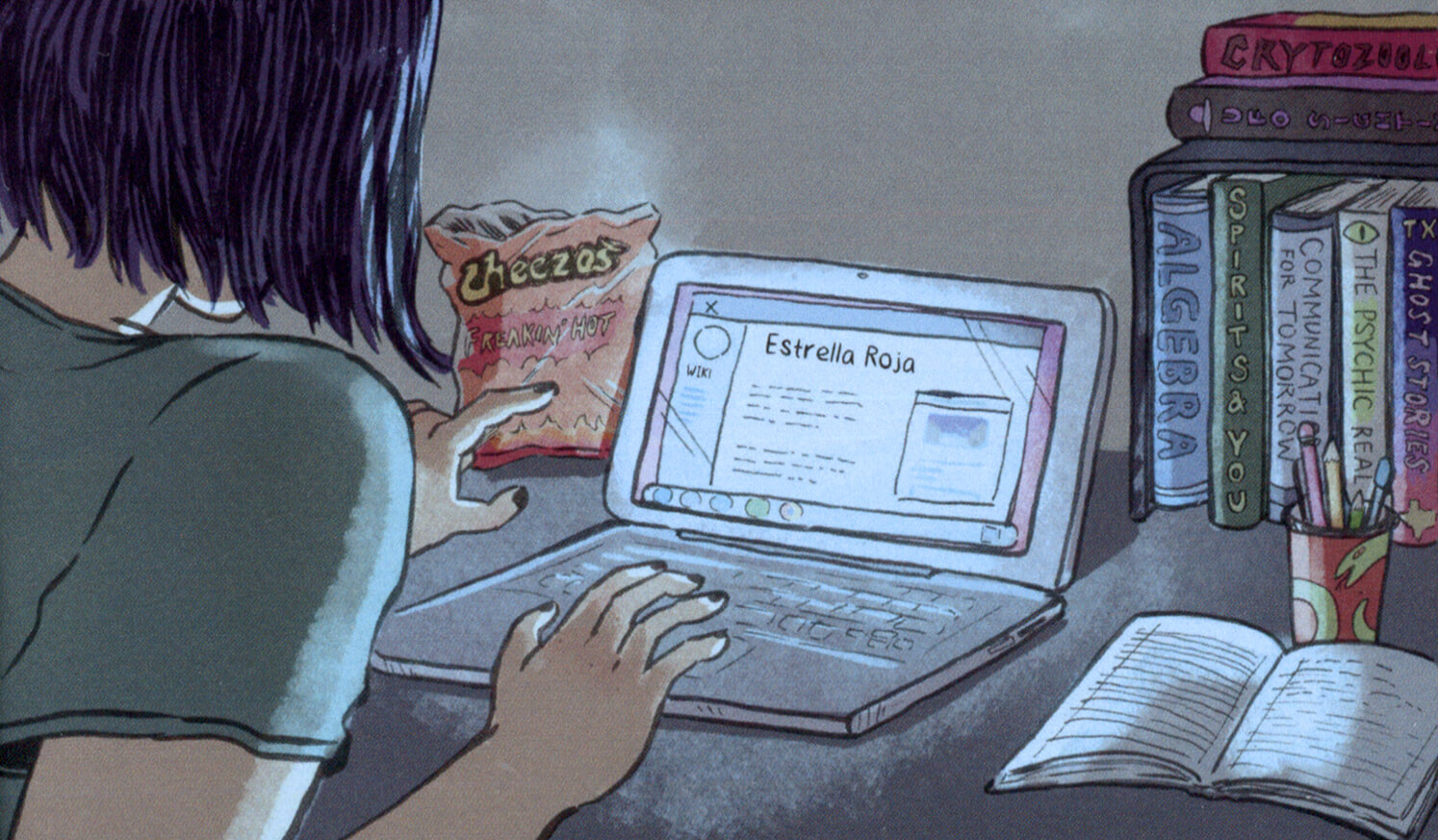
Ashley Robin Franklin’s The Hills of Estrella Roja follows two teens on a search for cryptids around a border town in southwestern Texas. Kat is creating content for a podcast, while Mari is attempting to bring family secrets to light. As they navigate a gorgeous desert landscape, the two young women nurture a budding friendship and gradually realize they have more allies than they suspected. In The Hills of Estrella Roja, Franklin celebrates the beauty of the Chihuahuan Desert while respecting the folklore of the people who’ve lived there for generations. Kat and Mari’s strange journey into a hidden past offers gothic thrills while celebrating human diversity and the wonders of the natural environment.
The Hills of Estrella Roja
Ashley Robin Franklin
Clarion Books
August 29, 2023
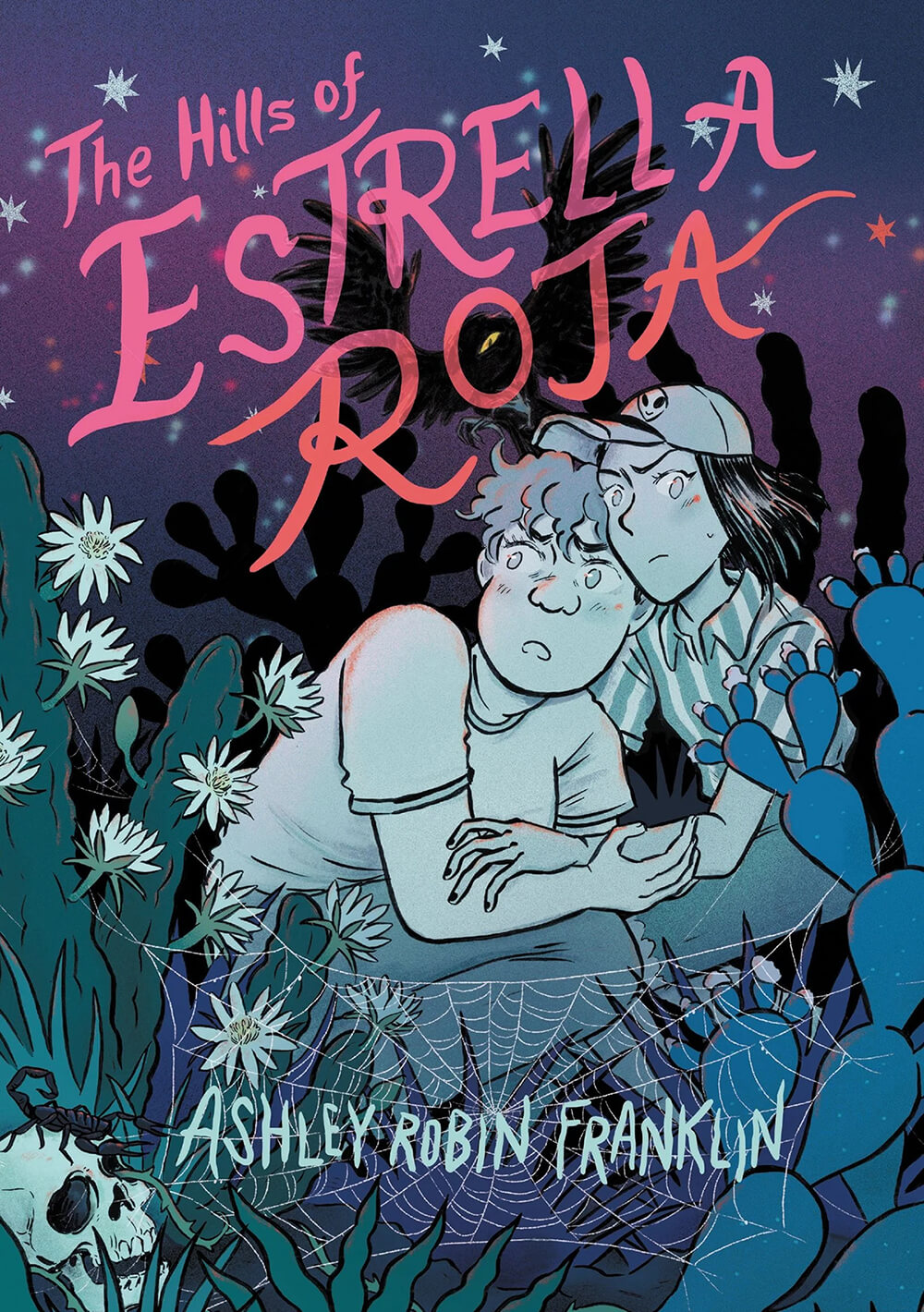
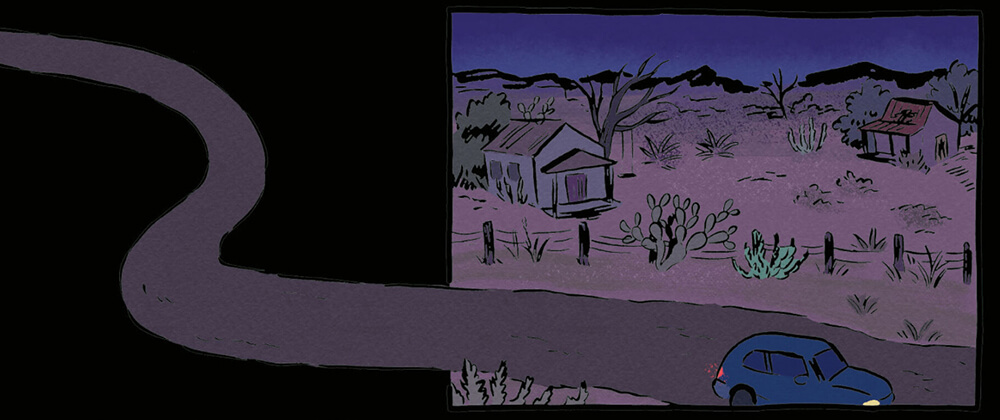
College freshman Kat Fields cohosts an amateur folklore podcast called Paranormal Texas. When she receives an anonymous tip about the mysterious “devil lights” of Estrella Roja, she jumps into her car and heads out to investigate. Five hours later, she arrives in a small town filled with unfriendly people who don’t take kindly to strangers.
Kat has no leads on her investigation until she meets Mari Castillo, a senior in high school who has returned to Estrella Roja with her mother for her abuela’s funeral. Mari hasn’t been in town since she was a small child, and she suspects something weird is going on. The women in her family exchange heated conversations when they think she’s not listening, and her mother is clearly hiding something. Mari, therefore, makes a decision to team up with Kat in order to get to the bottom of the cave that haunts her dreams and the mysteries that plague her family.
The Hills of Estrella Roja is reminiscent of classic horror stories in which an innocent but curious protagonist descends into an isolated village falling to ruin. The town of Estrella Roja is delightfully gothic, and its dusty streets and dilapidated houses hide family secrets intertwined with ancestral roots that stretch deep into strange ground.
Franklin excavates the queer subtext of gothic horror and places the homoeroticism front and center through the relationship that develops between Kat and Mari. The queerness of Estrella Roja isn’t just a matter of same-sex romance, however. The Hills of Estrella Roja embarks on a deeper thematic exploration of what it means to be an outsider, what it means to feel at odds with respectable society, and what it means to occupy a hybrid position of not being fully in one world but not yet belonging to another.
As a liminal space on the edges of reality, the creepy cave in Mari’s recurring dream is symbolic and filled with gleefully yonic imagery. It’s also a real location, and there’s something horrible inside. Before Kat and Mari can find the cave, they must explore the desert, and this is where Franklin’s artwork truly shines. The desert landscape of Estrella Roja isn’t a wasteland, but a thriving borderland filled with a diversity of animals and plants. Franklin’s detailed and expressive art transforms southwest Texas into a cinematic landscape depicted in rich high-contrast hues that bring the night to life with indigo mountains crouched against shimmering skies.
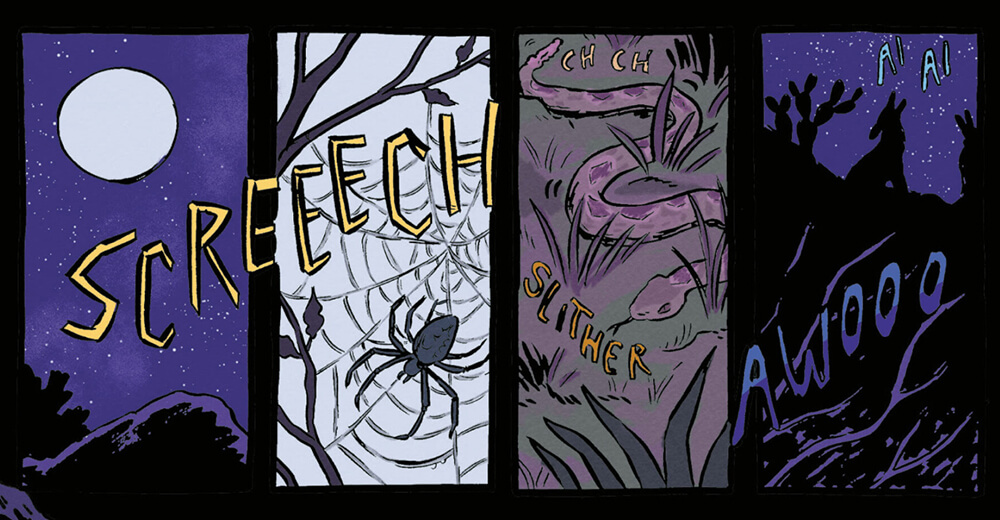
In the eerie moonlight, desert folklore becomes real, and Kat and Mari begin to suspect they may have entered the territory of La Lechuza, a winged shape-shifting bruja said to haunt the hills and devour lost children. The reality of the situation is far more interesting and complicated than anything found on online cryptid sites, and the monsters living in Estrella Roja are fascinating representations of the story’s underlying theme of navigation between borders.
Narrative themes of otherness and liminality aside, Kat and Mari are wonderful representatives of queer culture in the 2020s. The extremely online Kat is supported during her journey by her nonbinary podcast cohost Clem, who acts as the voice of reason via DMs while living their best life back on campus. Mari is a member of her high school’s Queer Film Club, and she and Kat initially bond during an almost-date at the library, where they laugh about romance novel covers, read silly local newspaper articles, and encourage one another to follow their creative passions.
Mari and Kat’s forays into the Chihuahuan Desert are an opportunity to leave the safe haven of queer media culture and learn that the world outside the screen doesn’t fit so neatly into tropes and narrative patterns. Adults who initially seem to be aggressively unsympathetic turn out to have layers of depth, not all of which are in direct service to the teenagers’ quest.
Even as Kat and Mari enjoy queer teen solidarity, they’re inducted into an adult world of queerness that was previously denied to them. Mari’s side of the story is especially interesting in this regard, as she gradually comes to understand that her identity isn’t just a matter of her own lived experiences, but also a product of the heritage shaped by the experiences of her extended family. The art of The Hills of Estrella Roja cleverly suggests connections between generations in subtle allusions and callbacks while immersing the characters in a gorgeous world that constantly reaches out (sometimes literally!) to pull Mari and Kat deeper into the natural environment that surrounds them.
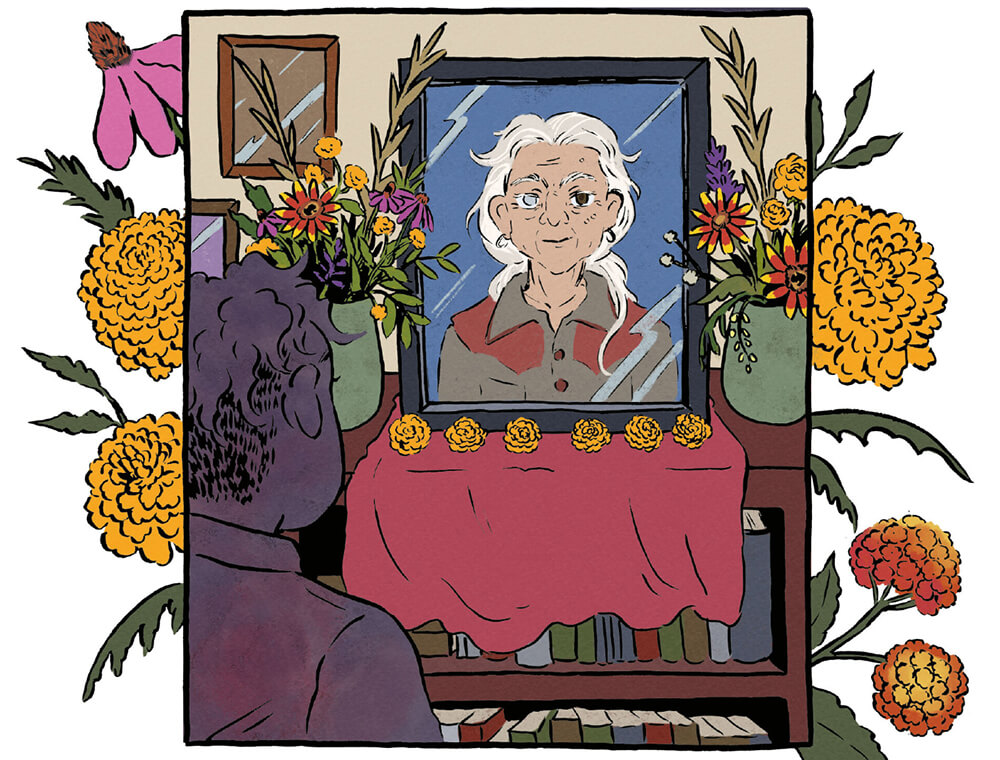
The Hills of Estrella Roja is a vibrantly colorful and refreshingly queer Southwest Gothic mystery filled with adventure, romance, and plenty of skeletons waiting to be uncovered. This story is a brilliant culmination of Franklin’s earlier work as expressed in the supernatural romance That Full Moon Feeling and the unsettling cautionary tale Fruiting Bodies (check out our review on WWAC). In many ways, The Hills of Estrella Roja is a classic gothic story about family secrets dredged from subterranean darkness, and its elements of horror are genuinely creepy. On a meta level, the experience of reading Franklin’s expertly woven story is about having your gothic horror cake and eating it too. The Hills of Estrella Roja playfully demonstrates that monsters can be both unsettling and empowering, while queerness can be both wholesome and strange.
