
[[Editors Note: This review is part of a series of reviews from the Hot Docs Festival that took place from April 27th to May 7th 2023 in Toronto, Canada.]]
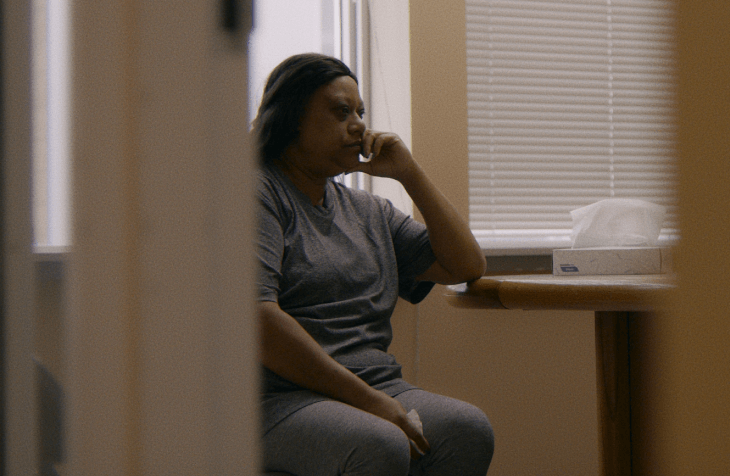
In Cynara, the Ali family challenges the criminal conviction of Cindy Ali, who was sentenced to life in prison for the first-degree murder of her daughter, Cynara. The film uncovers the racism and biases against that affected the case and led to important facts being disregarded.
Cynara
Sherien Barsoum (director and writer), Christian Bielz (cinematographer), Rich Williamson (editor)
Cindy Ali, Cynara Ali, Allan Ali, Amanda Ali, Jade Ali, Krissy Ali, Allesha Narine, Anysha Bharat (cast)
April 30, 2023 (Hot Docs)

Cynara is a terrifying film to watch. I have always been deeply disturbed by any type of injustice, but criminal injustice scares the living daylights out of me. We hear so much about the racial injustices in the USA but unfortunately, Canada is hardly exempt from the same. I was sent a screener of Cynara, screening at Hot Docs 2023, to review and I’m glad I wasn’t around other people to watch this. I certainly needed some time to myself as the closing credits rolled.
Here are the facts of the case: in 2011, Cindy Ali, a Trinidadian immigrant to Canada and a mother of four, called the emergency line from her Scarborough home. Two men in masks had invaded her home while she and her daughter Cynara, who was born with cerebral palsy, were in the living area. The men rummaged through every room, realised they’d come to the wrong place and left. By the end of the ordeal, Cynara wasn’t breathing and Cindy was calling for help. But not long after, Cynara was dead and Cindy became the prime suspect, eventually convicted of first-degree murder and given a life sentence.
Over the course of the film, the audience learns detectives and the prosecution discounted the home invasion story and that eventually, so does the jury. Considering the Greater Toronto Area isn’t an area free of breaking and entering, I found their disbelief rather ludicrous.
Having said that, Cynara clearly understands viewers will go into a crime documentary with a healthy amount of skepticism. So the film slowly builds up Cindy’s case—sharing the points of view of the first responders at the scene, the emergency calls, recordings from the trial, and testimony from an eye witness. All of these are interspersed with multiple interviews with Cindy, her husband, Allan, and their three daughters, Amanda, Jade, and Krissy. Alongside the family, the film also follows Jim Rankin, a Toronto Star reporter who covers racial inequalities, and defense lawyer James Lockyer of Innocence Canada, as he works towards proving Cindy’s conviction was based on flimsy evidence. There are also numerous scenes of the community and church that the Ali family are part of.
While the crux of Cynara is sharing the facts of Cindy’s case and the many details that had been overlooked, the film also highlights how disability bias impacted those involved in the case. This was a very interesting angle because, as director Sherien Barsoum wrote in the film’s press materials, the Ali family were discriminated against specifically because of Cynara’s disability. And that began well before Cynara’s death and Cindy’s conviction.
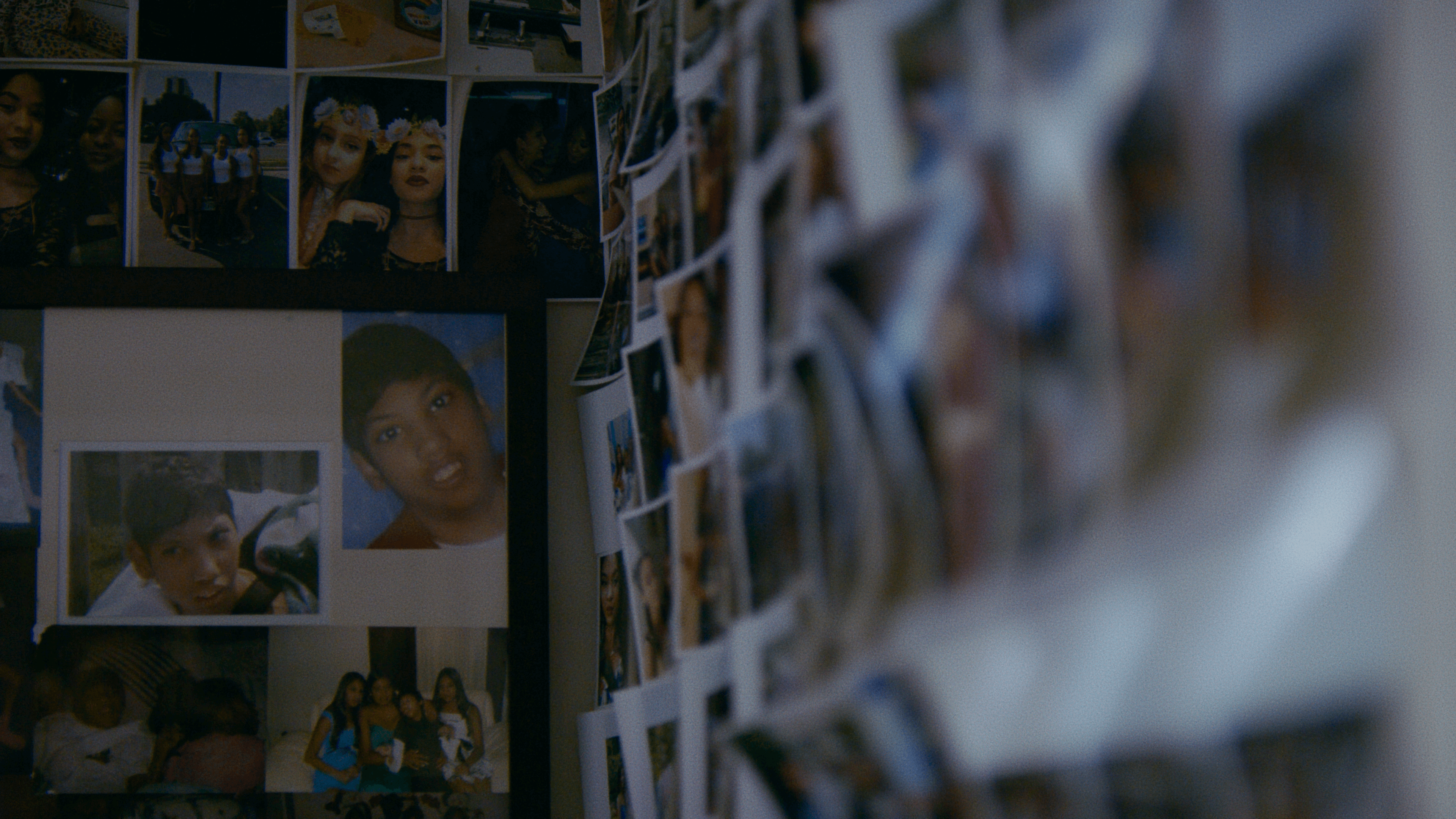
Assumptions, especially about the impact of Cynara’s disability, appear to be the biggest problem with Cindy’s case. From the first responders to the prosecutors and the jury, people assumed that Cindy, and the whole Ali family, thought of Cynara and her disability as a burden. Cynara, through its interviews and archival photos, demonstrates how that wasn’t the case, especially because the Alis had such a large community with them every step of the way. That’s really impressive because a lot of immigrants struggle to find that community engagement. The Alis, however, joined fellow immigrant families whom they met at church, some of whom had children with disabilities, to build a kind of extended family in Canada. As Barsoum explained in the director’s statement, this aspect of the Alis’ lives was reflective of her own immigrant experience and actually was a crucial part of the case that the prosecutor, judge and jury seemed to have dismissed too easily.
The documentary crew was able to go into the courtroom when Lockyear presents the flaws in Cindy’s original case, which is fascinating. (I wonder if access was easier to get because the case was heard online during the pandemic?) This gives the audience excellent insight into proceedings and exactly how justice was miscarried.
As much as I love documentaries, I’m usually not comfortable with re-enactments, though I understand the need for them in film. It’s rare that important events in a crime or trial are actually captured on camera. Even if they were, there are ethical considerations about showing them. But I was impressed by the method Cynara used for the re-enactments. Instead of recreating scenes, Barsoum uses a technique called tableaux vivants, French for “living picture.” These are static scenes with actors in similar settings, but nothing moves except for the camera. It’s like a real-life diorama that allows the audience into these critical moments, superimposed with the actual phone calls from the case or narration from actors. I found the use of this technique very effective and much less inauthentic than full re-enactments can feel.

Cynara has a tight narrative and excellent pacing, as well as a great deal of suspense during the courtroom scenes where Lockyer makes his case for getting Cindy a new trial. Barsoum clearly has a deft hand when portraying tough subjects for the big screen. She was a story consultant for the Oscar-shortlisted short film Frame 394, which covered police shootings and was featured at Hot Docs 2016. Barsoum was also a producer on the heart-breaking fiction film Scarborough which represented a wide range of topics including child abuse and racism. Her work has already received a great deal of recognition—she’s won the Hot Docs Short Film Pitch and Best Canadian Documentary at NorthWest Fest for a previous film.
Having seen Scarborough and read the press materials where Barsoum talks about being a community worker in that part of the GTA, I would have liked the film to have more discussion about the racism that impacted this case. We learn that Cindy’s trial had a majority white jury, and even the people of colour had little connection to her background. Even the white first responder had a shockingly unsympathetic reaction to Cindy. This is not an isolated problem, and it would have been good to highlight that in this film.
Because, even though Cynara covers one tragic case, it’s a symptom of a wide-spread and long-lasting problem. Which is what makes this a difficult film to watch, especially since the Ali family’s travails are far from over. But this is a necessary story to tell—a lot of people would love to think that there isn’t racism and injustice here in Canada. That is sadly not the case. However, I wonder if the right people will see this? Are the people who believe that more funding is required for the police going to watch this? Will it change their mind? Will the shouty folk who protest immigrants coming into the country, or who believe people with disabilities are a burden to society, choose to watch this at Hot Docs? I sincerely hope so because there are other stories like this, other families devastated in similar ways. Canadians need to be open to these stories to make meaningful change.

