
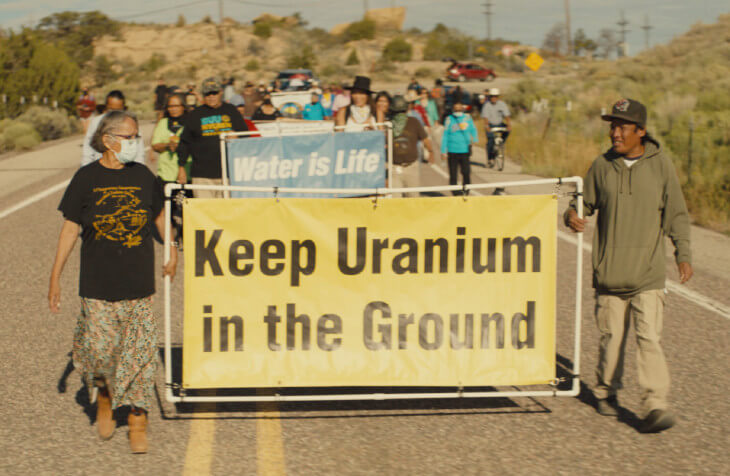
On a mission to travel the ‘Red Road’ and reconnect with her Mohawk heritage through the power of water, activist Layla Staats investigates the Indigenous reservations in North American that have been under a ‘boil alert,’ boil-water advisories because the water is unsafe to drink.
Boil Alert
James Burns (director, writer, editor), Stevie Salas (director), Zoe Hopkins (vignettes writer)
Layla Staats, Jessica Matten, Michelle Thrush, Autumn Peltier, Santee Smith (cast)
September 10, 2023 (TIFF)
Content warning: Discussion of suicide
The backdrop to my move to Canada has been the Wet’suwet’en land defenders’ fight against the Coastal GasLink (CGL) pipeline plan. It angers me and frustrates me, as it does so many people across Canada, that the CGL are destroying land and water that has been home to the Wet’suwet’en First Nations people for centuries, all while the land defenders themselves are arrested and criminalized.
Boil Alert takes viewers into the heart of the Wet’suwet’en pipeline issue by contextualizing the unbelievably long fight that Indigenous people have had to face just to get drinkable water.
Look, I’m from India—I know what it’s like to have dodgy water and how to get around it. My experiences have taught me that everyone deserves potable water, especially the people who have lived by the water for longer than a country even existed! For all these reasons, I was very interested in watching Boil Alert at TIFF 2023. I was sent a screener of the documentary by Roundstone Communications in advance of TIFF and I’m glad I watched it at home where I could vent.
Boil Alert follows activist Layla Staats of the Mohawk Turtle Clan from the Six Nations of the Grand River. When her brother goes to join the land defenders at the Wet’suwet’en pipeline site in Vancouver, Canada, Staats decides to go on a journey of her own. Desperate to find a place and a people to belong to, Staats must take the Red Road and find her connection to her Mohawk people.
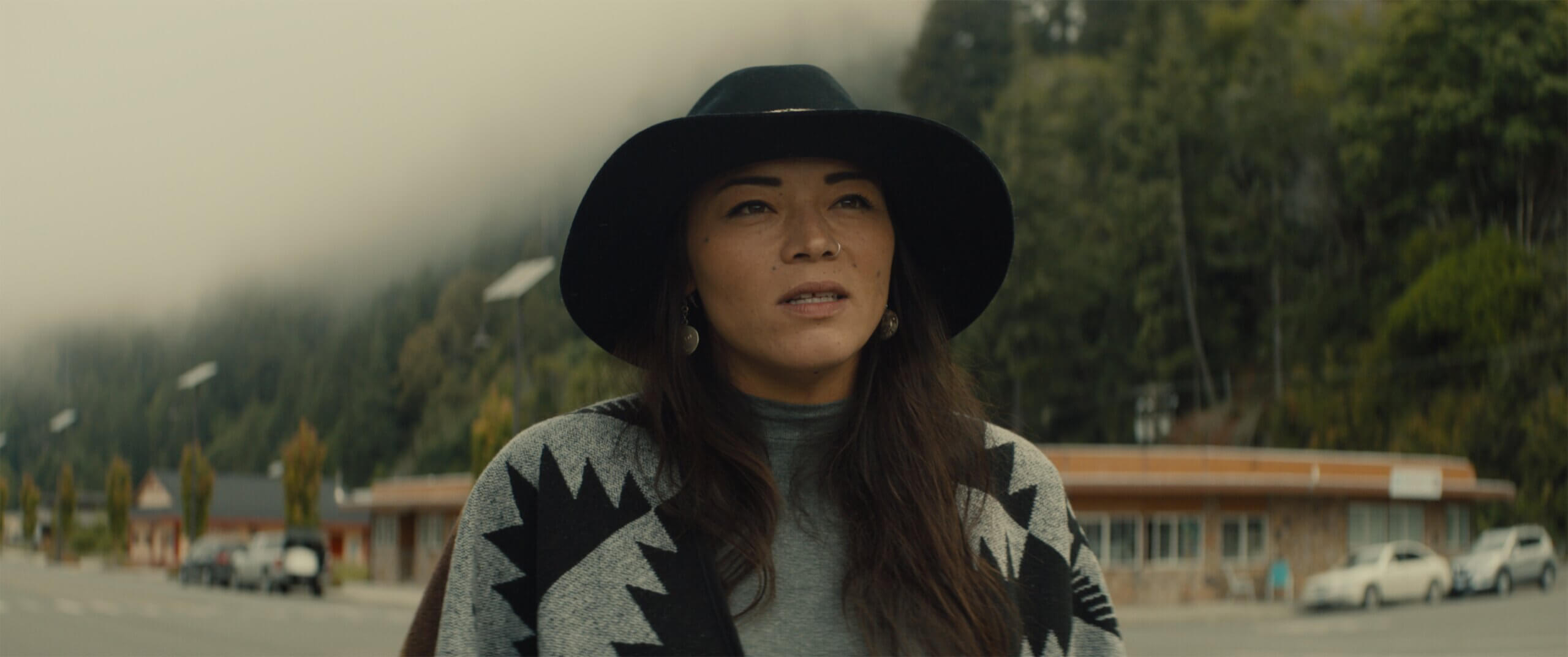
Staats’ travels take her to Neskantaga First Nation in Ontario where the longest boil water advisory in Canadian history is in effect. Despite a water treatment plant being built in 1993, the boil alert has been on since 1995, with residents being evacuated out of the region as recently as 2019 and 2020.
What are the consequences of not having clean water for most, if not all their lives? Marcus Moonias, Neskantaga First Nation council member and former water plant operator, explains in the documentary that it causes “depression, anxiety, suicidal ideation.”
Staats crosses over to the US to the Navajo Nation, Church Rock, in New Mexico, the site of the largest radioactive spill in US history. 500 abandoned contaminated mines remain in Church Rock despite promises of cleanups from the US government. “You can’t see poison. You can’t see death,” says Staats, looking across the beautiful, vast lands of Church Rock. Radiation is invisible, causing lifelong illnesses, deformities and death, yet the Navajo Nation people were never warned of uranium’s affects.
The section of Boil Alert dedicated to Staats’ experiences in Grassy Narrows First Nation, Ontario was particularly hard-hitting. It is the site of one of the worst environmental disasters in Canada, where a craft mill dumped mercury into the water system for a decade in the 1960s, effectively altering the health of 90% of the population even now.
Staats interviews Judy Da Silva, elder and community leader in Grassy Narrows First Nation, in the documentary and every word Da Silva said was powerful and painful. Da Silva speaks about Indigenous people being blamed for their illnesses—how they’re called alcoholics in a blatant denial of this mass-poisoning. Dr. Ojistoh Horn, a family physician, talks about the Canadian indifference to mercury poisoning of Indigenous people because the symptoms look similar to inebriation. Canada’s growth depends on resources from Indigenous lands, says Horn, yet Indigenous people don’t have the money to build infrastructure to purify their water. “Water is life and it is a human right.”
“We’re expendable,” says Da Silva, matter-of-factly. “We’re meant to die; not meant to live. There’s no value in us as human beings.” Yet, Da Silva lauds the strength of her people, all of whom have been touched by poisoning and suicide.
Boil Alert concludes with Staats joining the land defenders in Wet’suwet’en First Nation. This is a harrowing sequence, even for those who’ve been watching the news here in Canada. Shot almost guerrilla-style, viewers see Staats, her brother, Sleydo’ Molly Wickham, a vocal land defender, and even their elders, harassed and attacked by police. This sequence left me feeling both impressed by the conviction of the First Nations peoples, and furious once again at the police and government that allow the rights of the First Nations peoples to be trampled this way.

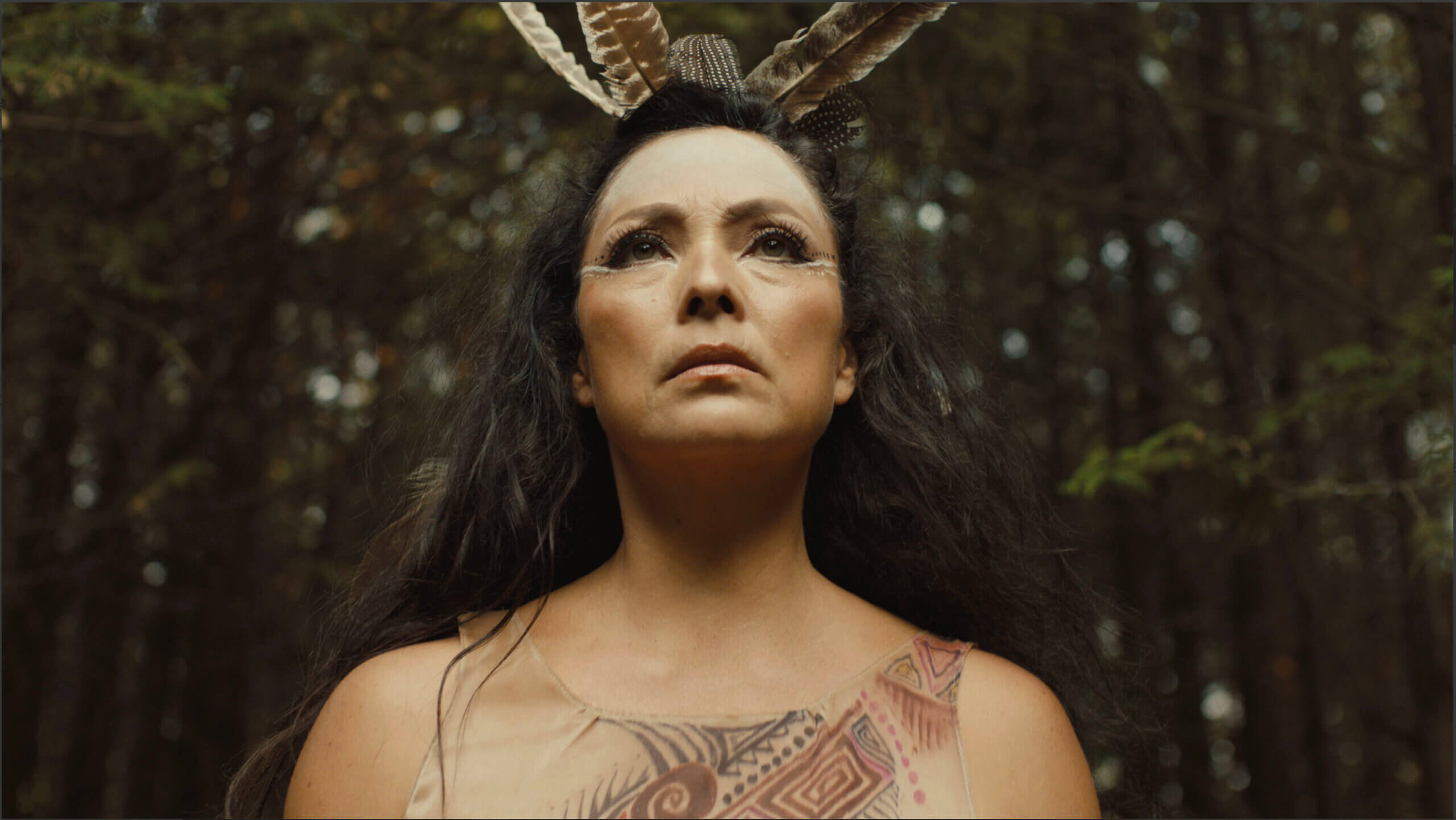
In between these various visits, Boil Alert introduces vignettes about aspects of Indigenous life—the significance of the Red Road, fighting one’s fear, and the importance of water. I found these vignettes to be a surprisingly effective method of punctuating each segment. But more importantly, they added a great deal of emotion to the documentary. Since I was sent a screener before the documentary was completed, I didn’t get to experience the full vision of Zoe Hopkins’ writing or directors James Burns and Stevie Salas because the VFX and sound weren’t complete. This didn’t hinder my viewing in any way. The version of the vignettes I saw was an artistic expression of Indigenous identity and their connection to water through dance and magic realism.
Boil Alert captures two stories to tell one whole, impactful truth about North America. Indigenous people are still suffering from the effects of colonialism, whether that be through radiation or mercury poisoning or disregarded water treatment plants. They are also struggling to be respected as human beings in the lands they’ve always called home—leading to so many of them questioning where they belong, as Staats does at the start of the documentary. And that’s how governments and enforcers allow decades-long indifference towards the level of cleanliness of so many communities’ water supply.
I don’t want to end on a negative note, because Boil Alert tries to aim for hope and a message to young generations to protect their waters. But the final shot is a farewell to one of the young interviewees Staats meets in the documentary and that broke my heart. There are people of all ages, with so many talents and interests in the country I now call home, who are dying of illness or suicide because they can’t get access to a basic human right. I have been angry about this and now I’m incensed. Are the people in power going to watch this documentary and be angry enough to take meaningful action?
