

[[Editors Note: This review is the first in a series of reviews from the Hot Docs Festival that took place from April 27th to May 7th 2023 in Toronto, Canada.]]
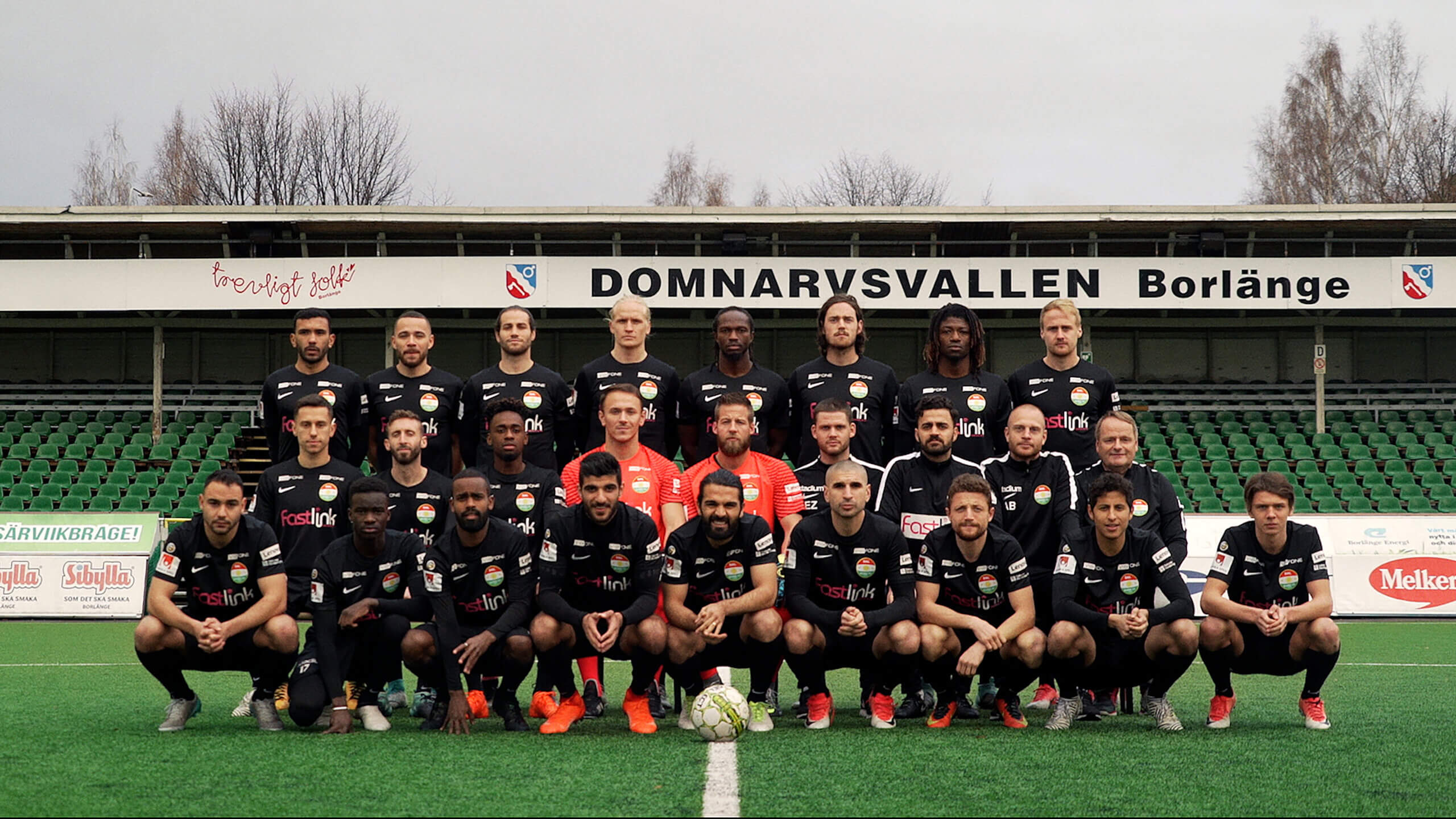
The documentary from Kurdish-Canadian director Kordo Doski, Allihopa: The Dalkurd Story follows the Dalkurd Football Club, which is made up of a group of Kurdish refugees, as they aim to join the highest soccer league in Sweden despite injury and political and racial unrest.
Allihopa: The Dalkurd Story
Kordo Doski (director and writer), José Moreno Brooks (writer and editor), Andrew Lee (cinematographer)
Rawez Lawan, Peshraw “Pasha” Azizi, Rewan Amin, Amir Azrafshan, Adil Kizil, Andreas Brännström, Ramazan Kizil (cast)
April 29, 2023 (Hot Docs)
This is the first year that I’ve been able to catch any documentaries at Hot Docs. I started my journey with Allihopa: The Dalkurd Story. I was kindly sent a screener when I realised I wouldn’t be able to attend the in-person screenings and I’m glad I got to watch it on my own at home.
Allihopa, which means “all together” in Swedish, is an emotional story, so there were a lot of tears which would have been embarrassing in the film theatre. The film opens with Kurdish history—the country was divided among others in the Middle East by the Allies after World War I, leading to violence and displacement of the Kurdish people for decades to follow. As the press release I was sent reiterates, the Kurds are the world’s largest ethnic minority without a homeland, though they are often called upon to fight to protect the homes of others, including against groups like ISIS. Understandably, many Kurds have fled the region in search of a place that will accept them, which hasn’t always been easy for refugees.
The Dalkurd Football Club was founded by Ramazan Kizil in Borlänge, Darlana County, Sweden as a place to build community and keep Kurdish children safe. In Allihopa, Kizil speaks eloquently about the plight of his people, how football brings people together, and the ultimate goal of the club.
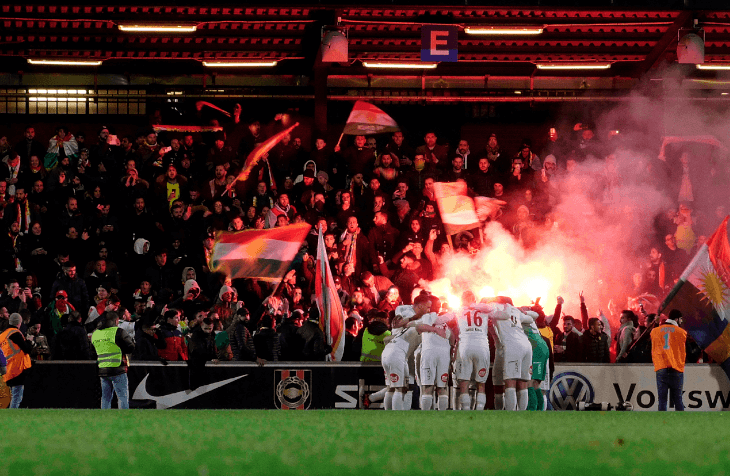
Allihopa has a straight-forward structure. Dalkurd, having only been founded in 2004, successfully climbs up the ranks, through six divisions, and, at the start of the film, is only one win away from joining the Allsvenskan, Sweden’s top football league. Only three games stand in their way—against arguably the best team in the league, then the top ranked team, and finally, a well-loved team. Despite not losing a single home game in three years, and having a stunning record overall, Dalkurd are the clear underdogs. Allihopa is the story of Dalkurd’s last three games, keeping the audience in suspense about whether the team will make it to the Allsvenskan.
However, much of the story is set against the backdrop of the 2017 Kurdistan Region independence referendum, when huge numbers of Kurds in Iraq voted for independence from Iraq. This event adds a great deal of emotional heft to Allihopa. For the Kurds in the Dalkurd team, the referendum is a monumental life event, on par with their football goals and getting married.
The path to victory isn’t easy for Kurdistan or Dalkurd and Allihopa holds little back as it documents Dalkurd’s final leap to glory. The players feel certain that this is their time, and they play their hearts out on the field. The way director, writer, and producer Kordo Doski and cinematographer Andrew Lee capture the football matches had me leaping in excitement from my seat.
According to the press materials, the crew of Allihopa had less than eight weeks to prepare for filming. Well, it certainly doesn’t look like it. The action on the field, the scenes from the dugout, the crowd shots, the way it was all edited together made me feel like I was watching a live football match. In the director’s statement, Doski mentions how his and fellow writer (and producer on this documentary) José Moreno Brooks’ lifelong love of playing football informed the structure and pacing of the film. Knowing what was riding on these matches for the Dalkurd team, as players and refugees, Doski effectively conveys the highs and lows of a football game to keep the audience invested. When they missed a goal, I winced. When they scored, I rejoiced. I was an adult when I fell in love with sports, and since then I’ve enjoyed watching sports stories, whether fictional or documentaries. Allihopa had the mix of sporting tension, politics, history, and heartfelt stories that makes for a great documentary.
Over the course of this pandemic, I’ve realised that I do like quiet moments in films. Action is great; love it. Suspense; even more so. But giving the audience some time to think, reflect, spend time with the people on screen, if well done, can really elevate the viewing experience. The crew of Allihopa get that mix just right. There’s a fantastic scene where co-captain Peshraw “Pasha” Azizi cooks a ginormous, delicious-looking meal, while talking to the camera about his journey to Sweden as a refugee, why he wants to create more awareness for the Kurds back home, and how nobody ever seems to help the Kurds. It’s a combination of shots of Azizi talking, his cooking, him laying the table. It’s such a quiet moment among the hubbub of the final matches and that’s what makes it so powerful. We get to spend time with Azizi and just hear what he has to say.
Scenes like this work in part because Doski was once a Kurdish refugee in Canada. With this film, he aimed to capture the emotional heft behind the football matches. It isn’t just about the players’ scoring goals and winning games; they’re trying to make a statement about the atrocities their people continue to suffer. There’s an authenticity to the conversations in Allihopa and I believe Doski managed it only because he had already walked in their shoes.
It’s only at the end of the film that I realised that the story of Allihopa takes place in 2017. The film has been a long time coming but I’d rather directors and producers take their time to make a polished piece than rush something out that nobody is happy with. Having said that, I would have loved to know what the team did following the events of the 2017 season and where the players are now. We spend 90 minutes with these people, and then they’re just gone. I really would have liked a follow-up.
I’m in two minds about one of the moments depicted onscreen. There’s a section about Neo-Nazis in Sweden protesting against immigrants. I wonder if Allihopa should have leaned into this angle a bit more. This is a story of people escaping horrible hardship, fighting for their rights, and consistently being denied them. Every one of the Kurds interviewed for the film is delighted to have found a home in Sweden, despite the awful cold, being away from their families, and the racist comments they sometimes encounter. But the Neo-Nazis either don’t know or don’t care about their hardships. It also appears that the Nazis are lumping refugees and immigrants into the same group. I’m an immigrant and, while the immigration process was quite difficult, my experience is nowhere close to what a refugee has to undertake to find a new home. Should Allihopa have delved deeper into xenophobia? I really want to understand what goes through these people’s heads. What makes them think that a land is theirs and theirs alone—that the mere presence of someone from a “foreign” place is a threat to their nationality and their very being? On the other hand, why give such people platforms? It’s extremely unlikely that they’ll change their minds, anyway. But a little more analysis would have been appreciated.
There’s a lot that happens in Allihopa, some of it wonderful and happy, some of it disturbing and quite sad. I was genuinely moved by the life stories of the players and how they’ve impacted the people and community around them. One of the white Swedish players on the team speaks about becoming more like his Kurdish teammates and being more giving, which made me happy to hear. There’s always so much negativity about immigrants and refugees being ‘different’ but rarely does anyone talk about the benefits of cultural diversity. We need more authentic stories like Allihopa that share the differences and the similarities of humanity, the political battles we still need to fight, and the power of togetherness that you get from having a shared goal.
