

Cozying down into fall, we here at WWAC have been indulging both in books with really interesting things to say about gender, and as usual, books across the speculative fiction spectrum. Everything from horror stories to sweet, queer retellings of Arthuriana, we’re enjoying it all!
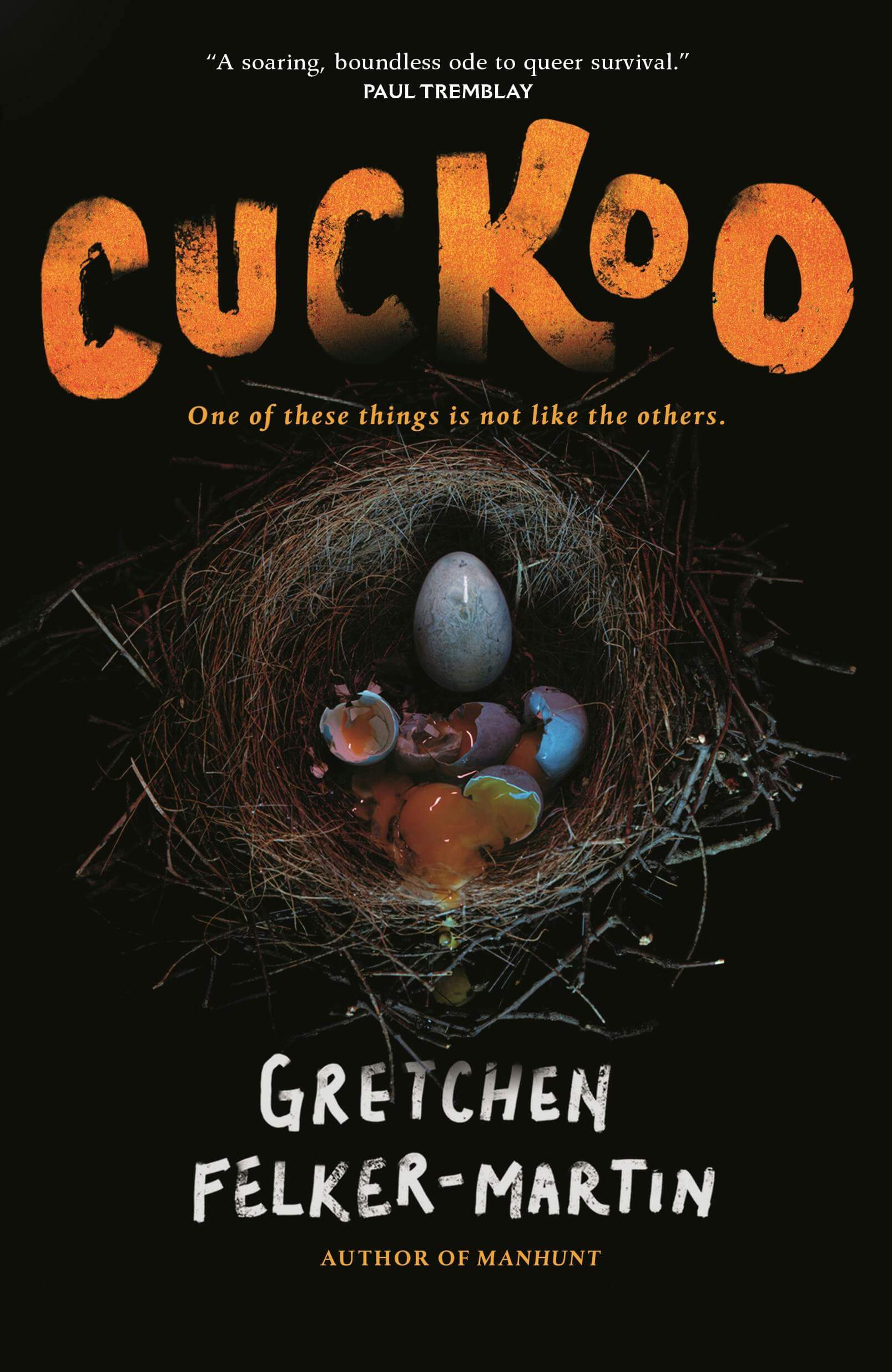
Alenka: It’s not quite correct to say that Gretchen Felker-Martin’s new horror novel Cuckoo is about found family. It is, of course, about the horror of conversion therapy; of having gender norms and essentialism shoved down your throat alongside a stalwart assurance that, at your very core, you are wrong, deviant, and incapable of living happily unless you are fixed. However, one of the strongest assertions of Cuckoo is that queer and trans people only have ourselves and each other. No one is coming to save us, and the rest of the world will be lucky if we can stand up and save them, too.
Cuckoo uses multiple perspectives to dig into the internal worlds of several teens and, eventually, adults, as they are abandoned by their parents to suffer at a conversion therapy camp that seems to double as some kind of child labor ranch. They are worked to exhaustion in the dry, sweaty desert; have bizarre and incomprehensible lessons shoved into their brains for “school;” and eventually they are hunted with the intention of ripping them apart and replacing them with something unfathomable.
Cuckoo is a rough read, but the farther I get from it the more I realize I really, really loved it. I’ll be thinking about it for a long time.
Felker-Martin’s distinct and visceral descriptive writing allows her to dig deeper into body dysphoria, dysmorphia and, notably, internalized fatphobia. The latter was a theme in Manhunt, but I felt it was more deeply explored in Cuckoo, and because the characters all age up over the course of the story, we see how their particular traumas age with them. It’s probably unnecessary to state that Cuckoo is a rough read, but the farther I get from it the more I realize I really, really loved it. I’ll be thinking about it for a long time.
Nola: I’ve been working my way through The Claremont Run: Subverting Gender in the X-Men, which is an academic book by J. Andrew Deman. It’s a short read, but a thoughtful one; Deman delves into the entire stretch of Chris Claremont’s tenure on the X-Men books and highlights the particular ways in which Claremont intentionally pursues subversion, both in gender norms and in portraying queerness, even subtextually.
I think we don’t consider enough these days how difficult it was to put these sorts of things on the page back then, and for all of his influence at the height of his run, Claremont still had to veil things somewhat. Still, he accomplished some incredible feats during those fifteen-odd years, and Deman does an excellent job here of laying those things out, analyzing them, and even backing them up with hard numbers. Highly recommended read.
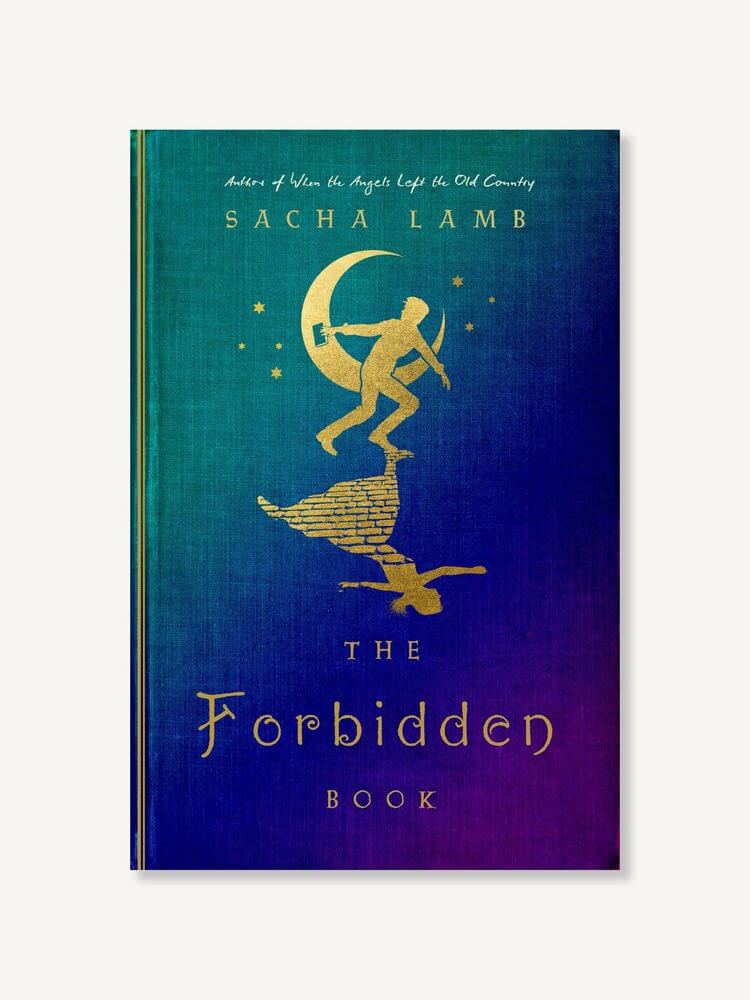
Emily: We are having Gender Month over here at WWAC, apparently! Of course, every month can be Gender Month if you work hard and believe in yourself. The Forbidden Book, which came out from Levine Querido on October 1, also deals in really interesting ways with gender, since a dybbuk (a possessing ghost) does not need to be of the same gender as the person he inhabits.
The Forbidden Book was the first thing I read by Sacha Lamb, and now I want to read everything else they’ve written, too. It takes place in an Eastern European Jewish community where angels vie for control of the area. The main character Sorel runs away from her wealthy home right before she’s about to be married off and gets embroiled in a supernatural murder mystery, involving, as the publisher touts: “Dybbuks. Illegal Printing. [And a] genderqueer lesbian with a knife.” Considering the high stakes for both identity issues and the community, it’s extra impressive what a rollicking good time this book is.
And since the title is The Forbidden Book, you’ll be pleased to know that the physical book is lovely — nice attention to the font and page layout and a pleasingly appropriate cover. Whenever a book has “book” in the title, I want the object to be impressive, you know?
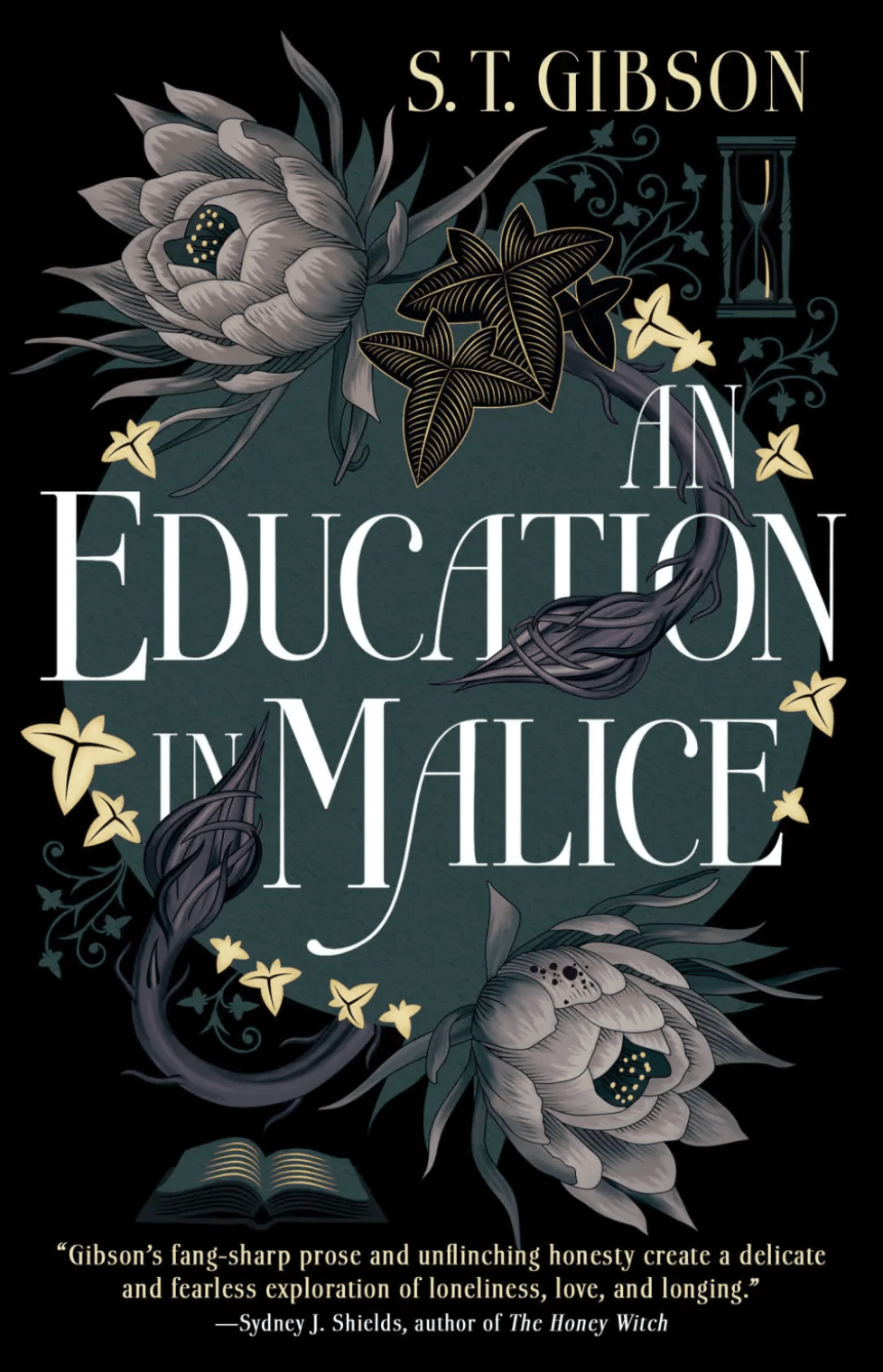
Jenna: Released in paperback on September 3rd, I read S.T. Gibson’s second novel, An Education in Malice, in three days. I haven’t read Gibson’s previous work, but dark academic vibes with a queer romance based on J. Sheridan Le Fanu’s infamous gothic novella Carmilla forced my hand to pre-order this book months ago! Set in the 1960s at a New England women’s college, our protagonists, Laura and Carmilla, begin as enemies and academic rivals with a sexual tension simmering, or more accurately boiling, beneath the surface. Their relationship progresses to a surprisingly tender romance, despite the toxic academic environment and even more toxic professor around whom their story revolves.
I appreciated the frank and shame-free way the author writes about lesbianism, queerness, and kink. However, I found the climax, well, anticlimactic. It felt rushed and too neatly resolved, and the aforementioned toxic professor’s redemption arc falls flat. Ultimately, the character development of the leads and their accompanying romance, as well as the dark academic environment, far outweighed these issues for me, so I am recommending this book to anyone I know who also enjoys dark academia and queer romance.
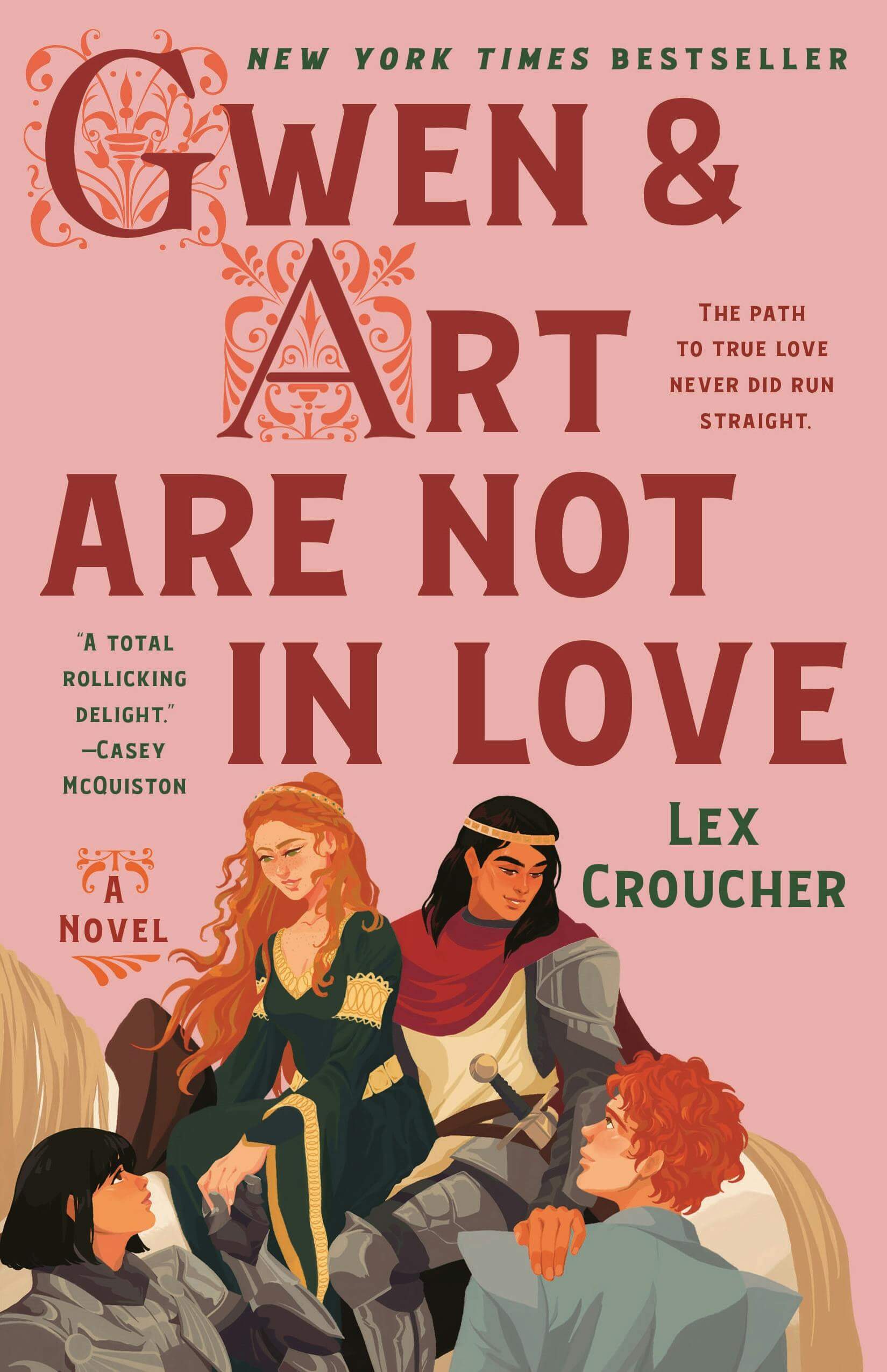
Alenka: To take not just a sharp left turn but really a warp-speed journey into a totally different universe, I also recommend Gwen and Art Are Not in Love by Lex Croucher! I read this historical, queer YA novel as a bit of palate cleanser after reading Cuckoo. It is, at its heart, about an unexpected friendship in which two stubborn teens push each other to actually deal with their respective traumas and insecurities.
Gwendoline of Camelot has been engaged to Arthur Delacey, descendant of Mordred, since they were both very young. They also have not seen each other in years because their mutual hatred has caused both families many problems, including a broken wrist on Arthur’s side. However, as the age of marriage quickly approaches, Art finds himself back at Camelot for its infamous summer tourney, where he is meant to bond with his soon-to-be wife. He and Gwen are equally horrified by the encroaching future, until they realize they do have some attraction in common: same-gender attraction.
The pair hatch a plan to become co-beards, but as their hatred for each other cools, Art finds himself encouraging Gwen to face her cowardice and wield her own power, while Gwen begins to coax Art into actually talking about his troubled family history. Both teens have been letting fear rule their lives, but the horrible truth of adulthood is that you often have to face your fears whether you want to or not. As the two are able to really, truly see each other, they also find they can give each other courage, and it’s really beautiful.
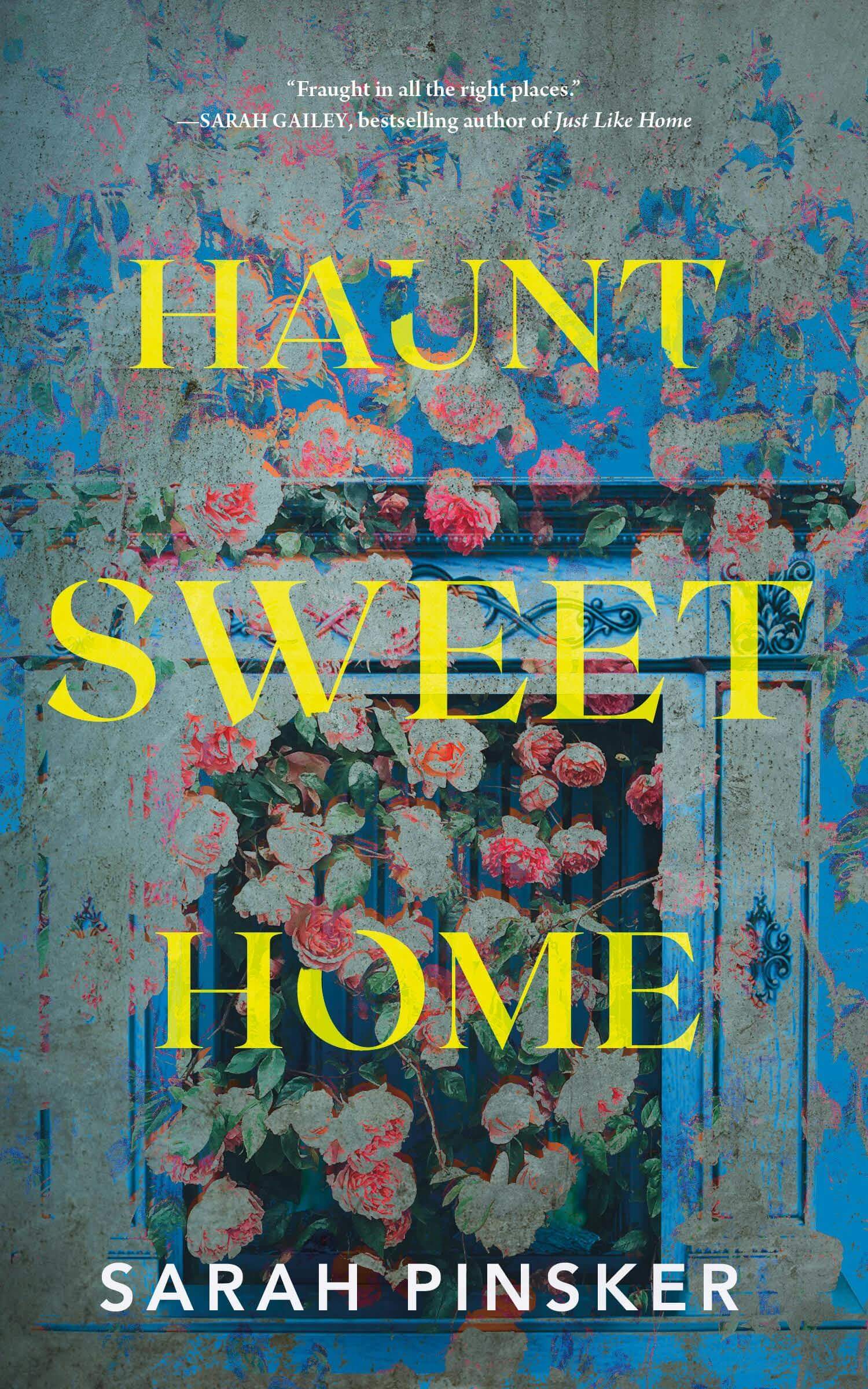
Emily: Haunt Sweet Home by Sarah Pinsker also had some unexpected mutual support going on. Pinsker for me is starting to be in the same category as T. Kingfisher and Naomi Kritzer, where I feel absolutely justified in dropping whatever else I’m doing to read whatever they produce. I can assume I’ll be getting a flawed but likable protagonist, dealing with an absolutely batshit scenario, in a clever way that plays with genre. And I can assume that regardless of where the story goes, compassion will be important to the narrative. These are things I appreciate in my leisure reading.
In Haunt Sweet Home, readers meet Mara. She’s tight with her big, close family, but sometimes feels like a black sheep compared to their successes. For instance, her glamorous cousin stars as the host of paranormal investigation/home makeover show, “Haunt Sweet Home,” while Mara is dropping out of college… again. Mara lands a gig as a production assistant for the night team on her cousin’s show and soon realizes that a big part of her job will be manufacturing the spooky phenomena creeping out the new homeowners each episode.
Mara is surprisingly good at this job, and enjoying herself, when other surprising things start happening. Perhaps the supernatural events are not as faked as we imagined, and perhaps Mara’s successes are still to come. Haunt Sweet Home, which came out September 3, is a tightly paced, engaging novella with a protagonist I’d like to hang out with.
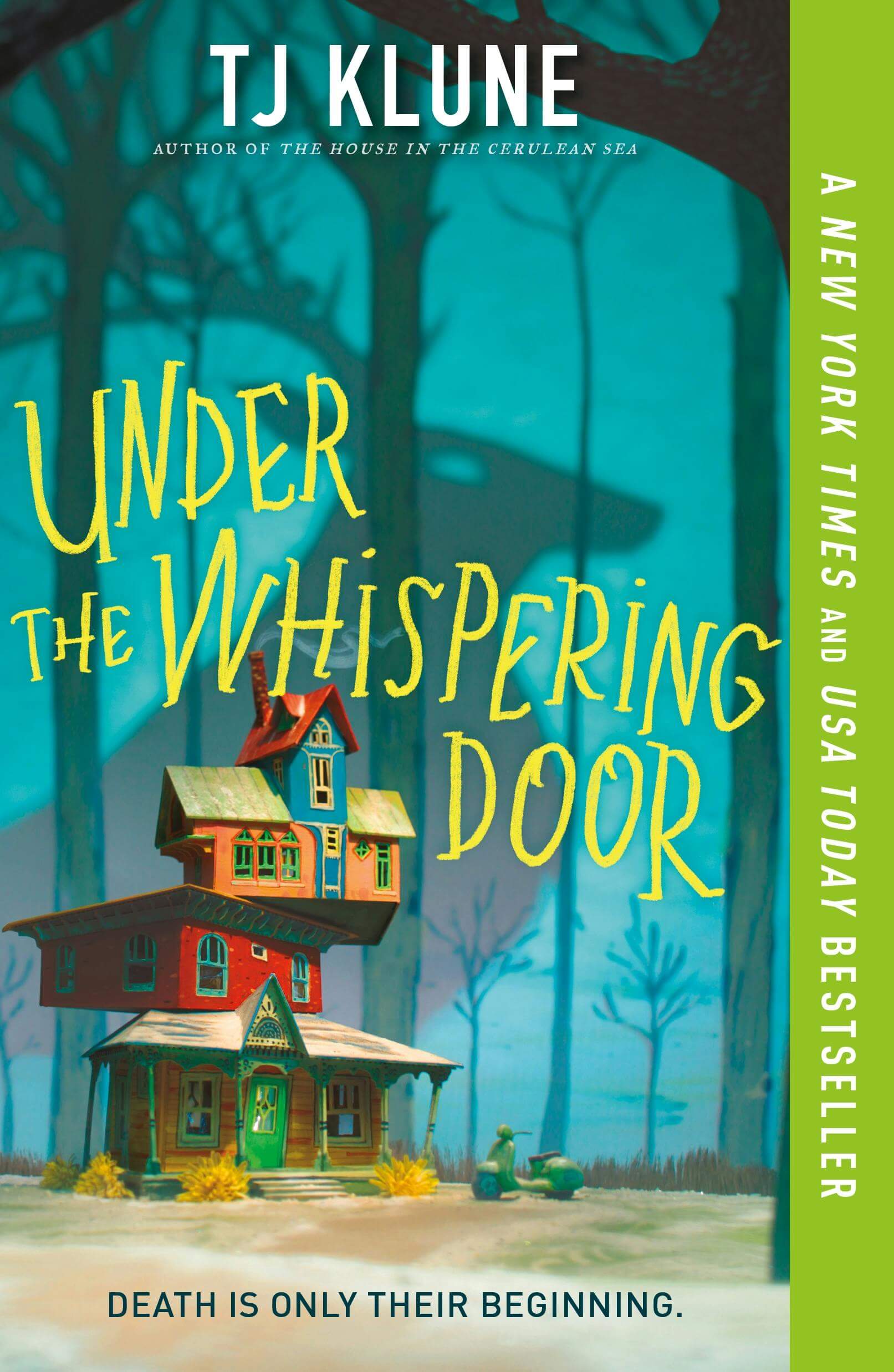
Kathryn: Along the lines of Haunt Sweet Home, I’d like to recommend TJ Klune’s novel Under the Whispering Door, which is a ghost story… and also a love story! Wallace is a successful, but miserable lawyer whom no one mourns when he suddenly dies of a heart attack. Snatched from what should be the prime of his life, Wallace finds himself at a ramshackle rural teahouse that doubles as a waystation for troubled ghosts. The proprietor, a sensitive mortal man named Hugo, offers Wallace the sort of kindness he never experienced in life, and now Wallace finds it difficult to move on for reasons he can’t quite admit to himself—and certainly not to Hugo.
Aside from the sweetness of its gentle romance, what I love about Under the Whispering Door is the surprising depth of its worldbuilding. It’s fascinating to watch as what initially seems to be a cozy story about a charming teashop slowly spirals into something much stranger. Although the novel contains no overt elements of explicit horror, there’s plenty of uncanniness lurking in the darker corners of the afterlife. There’s also a healthy sense of humor in Klune’s writing that prevents the story from becoming too morbid, and the forward momentum of the plot is surprisingly strong. If you’re in the mood for a spooky queer love story to mix into a generous serving of fresh autumn vibes, Under the Whispering Door will keep your heart warm through the chilly fall nights.
