


Set 100 years before the Star Wars prequel trilogy, The Acolyte follows former Jedi Padawan Osha (Amandla Stenberg) and a group of Jedi on the hunt for a mysterious killer who has been taking out some of their own. But when a new Force-user emerges, secrets long-hidden threaten to unravel all that the Jedi, and Osha, has believed in. Our spoiler-filled review looks at what makes The Acolyte a memorable entry in the franchise.
The Acolyte (2024)
Leslye Headland (creator, writer, and director), Hanelle M. Culpepper (director), Alex Garcia Lopez (director), Kogonada (director), Jasmyne Flournoy (writer), Kor Adana (writer), Charmaine DeGrate (writer), Jason Micallef (writer), Jocelyn Bioh (writer), Claire Kiechel (writer), Jen Richards (writer), Eileen Shim (writer), Cameron Squires (writer)
Lee Jung-jae, Amandla Stenberg, Manny Jacinto, Charlie Barnett, Dafne Keen, Rebecca Henderson, Joonas Suotamo, Leah Brady, Jodie Turner-Smith, Dean-Charles Chapman, Carrie-Anne Moss, Lauren Brady (cast)
June 4, 2024
This review contains spoilers.
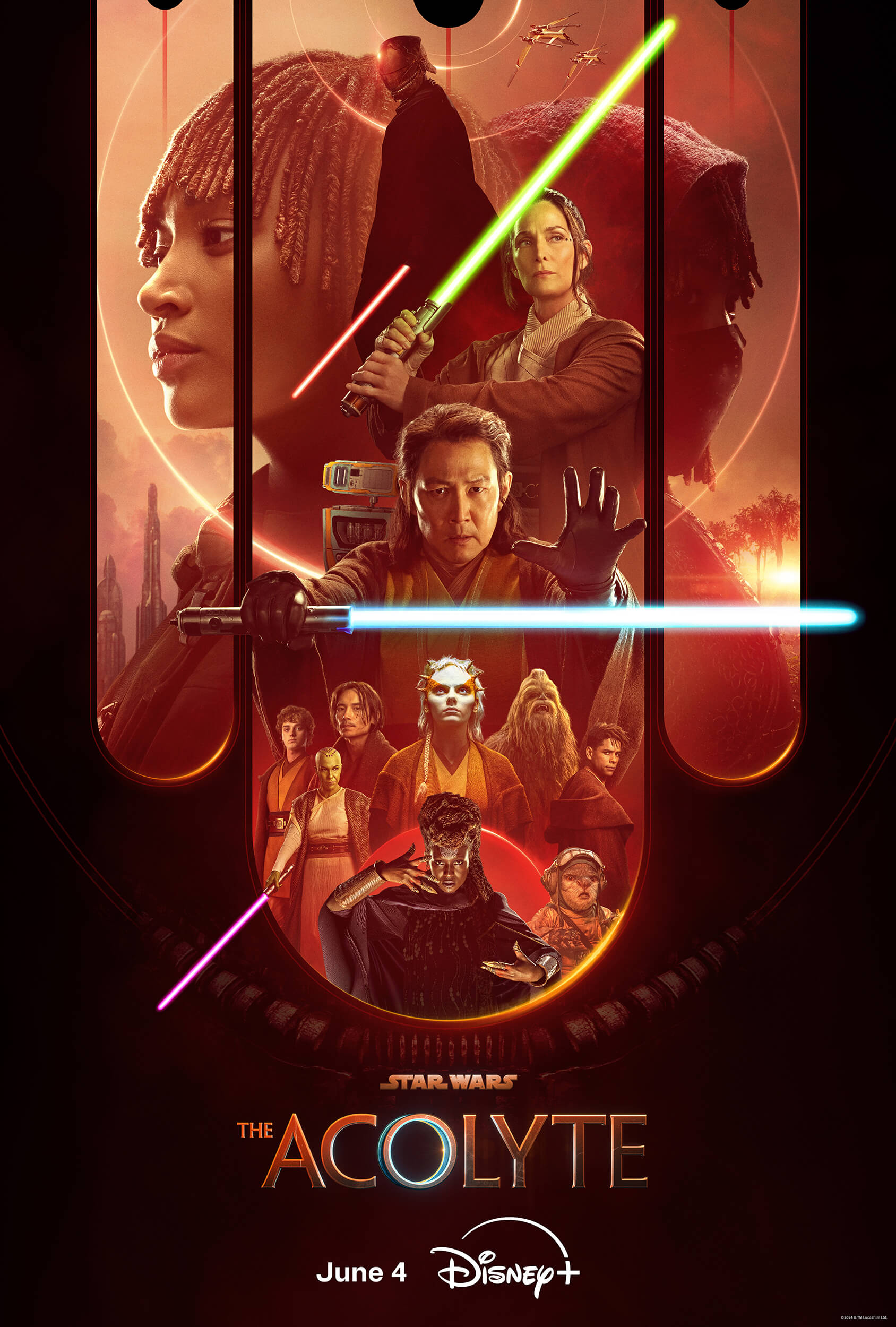
Not so long ago, in a galaxy that’s living the worst timeline ever, a Star Wars show called The Acolyte premiered. And even before the first episode aired, the show had been written off by a group of vocal ‘fans’ who decided that anything led by women and people of colour was the worst thing to happen to the franchise. Funnily enough, acting on hate and prejudice, like the racist, sexist, and homophobic ‘fans’ did, is a running theme in the show, and let’s just say, the haters don’t come off looking good.
I was excited for The Acolyte the same way I’m excited about anything related to Star Wars—revisiting a galaxy far, far away is what I live for. Good, bad, or ugly, I was looking forward to spending 30-45 minutes every week escaping to a universe that literally changed my life. Would I like it? I didn’t know. I hadn’t watched the show yet! What I did know was that The Acolyte takes place during the High Republic Era. This is the franchise’s first live-action foray into this era. I’m not all that familiar with the expanded universe lore regarding this time of stability and prosperity in the galaxy, so I was all in to learn more. The Jedi are at the height of their power during this period, but this power, as we see from the first episode itself, comes with complacency and arrogance that blinds them to their own faults. These faults, or ‘noble intentions’ as Jodie Turner-Smith’s character Mother Aniseya calls it, lead to so much tragedy during the events of the show.
The first episode begins with a hooded figure in search of a Jedi, Master Indara (Carrie-Anne Moss), whom the figure confronts and kills, thus revealing herself to be a Force-user and setting off the chain of events we see in The Acolyte. Based on security recordings, the Jedi identify the perpetrator as former Padawan Osha, who left the order. But Osha claims she’s innocent, so she is asked to join the Jedi’s mission, led by Osha’s former Master Sol (Lee Jung-jae) to hunt down the real assassin.
However, what starts off as a crime procedural in space soon turns into something much deeper. Subverting our expectations of what we know of the Jedi and how we perceive the world and people around them is central to the story. And what the viewers learn may not sit right with them.
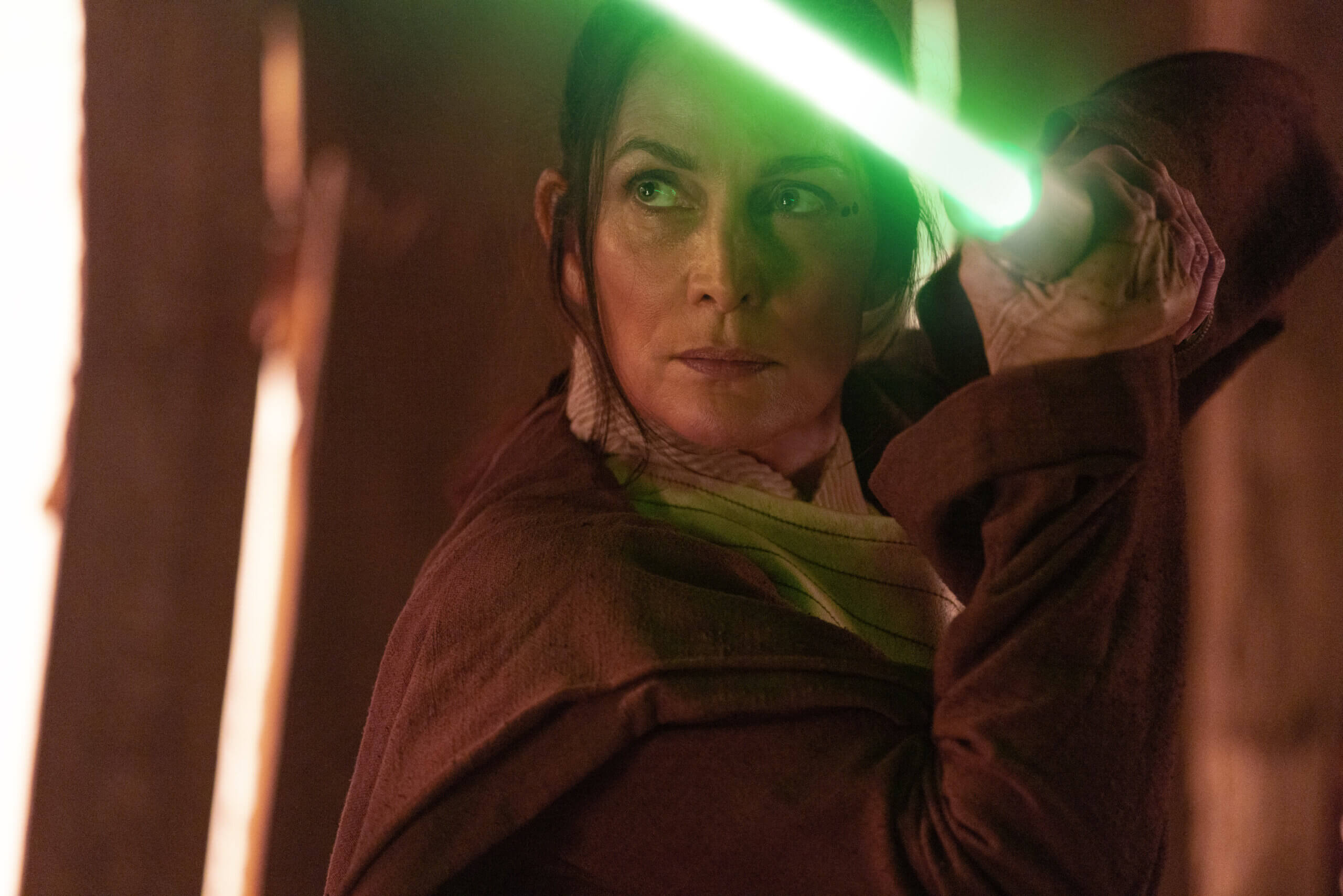
Which is why I shouldn’t be surprised at how much vitriol this show faced, and continues to face, even past the finale and consequent cancellation. At this point, the haters are beyond prejudiced against The Acolyte. Some criticisms revolve around the show’s negative portrayal of the Jedi, even though there’s already precedent for that in previous Star Wars properties–The Acolyte just tells it more directly. Nothing the creators or characters did was right in some people’s eyes, despite the show intentionally referencing previous Star Wars properties. These same ‘fans’ are declaring that the inclusion of said women and people of colour is the reason why contemporary media is dying or bad, instead of their own inability to make connections within the canon. The ‘discourse’ around the use of the word ‘hell’ went on for days, a word first heard in A New Hope. But if a Black woman says it in a sci-fi show, that’s just ‘bad writing’ and ‘takes people out of the story.’
It’s difficult to disengage from how you should feel versus how you do feel, because The Discourse™ is all-encompassing. I’m so tempted to only point out the positives, because I fear that any criticism will fuel the hate. But that’s not what reviews are for.
I enjoyed The Acolyte, and once it finished, I couldn’t wait to do a complete rewatch to spot the connections, the references, the foreshadowing, and all the details I overlooked the first time around. Ahead of this review, I went ahead and watched all eight episodes again. I’d argue that this show needs a rewatch–there are so many references to the original trilogy and the prequels that will thrill long-time fans and give new entrants to the universe much to look forward to. And the writing is oh-so-clever; I could watch this several more times and find new plot points and Easter eggs every time.
On a technical level, the show is outstanding. There’s some smart editing that harkens back to the old school transitions seen in the original trilogy, while the inclusion of match cuts will appeal to viewers accustomed to TikTok videos and YouTube shorts. The cinematography and locations were gorgeous and brought the many new worlds visited in this show to life.
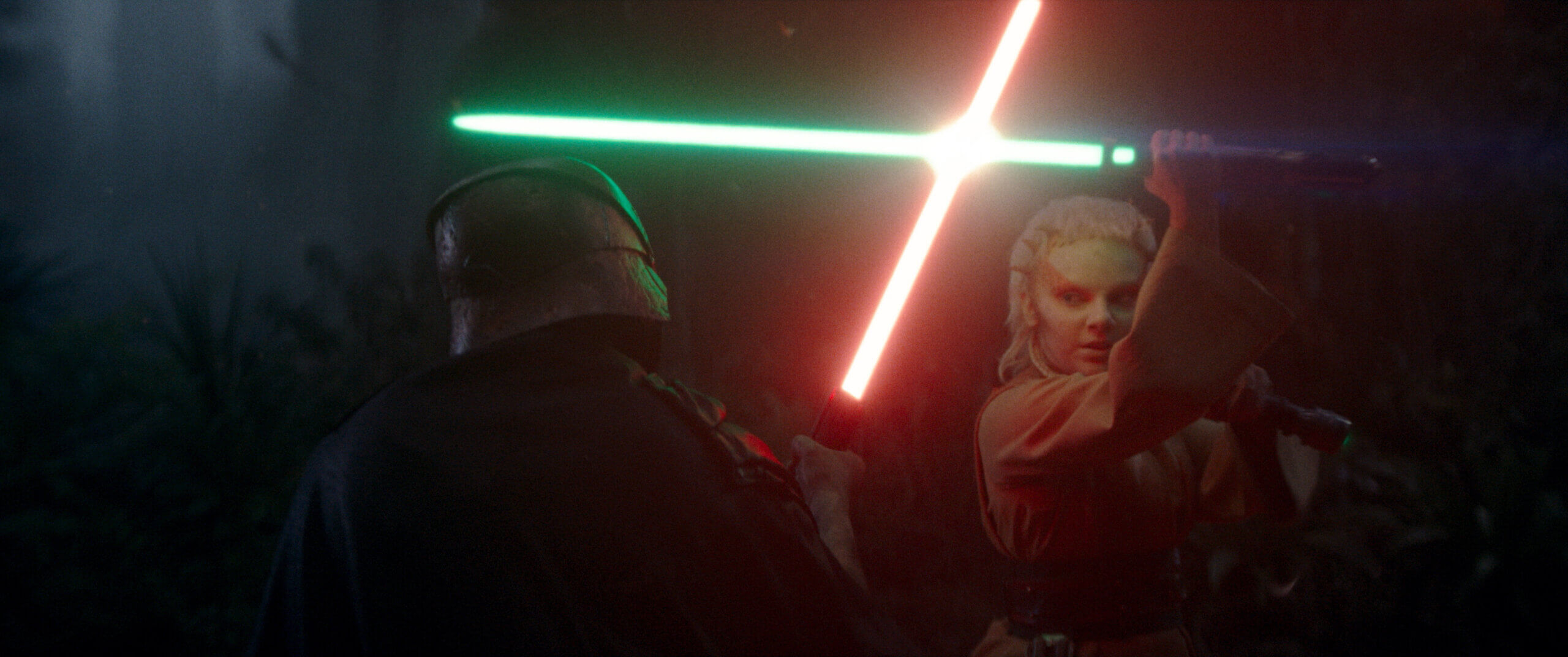
My favorite part was the fight choreography. While I’m not happy with the look of the lightsabers (the blades should have been brighter to hide the prop blade beneath), I can’t criticize the fight choreography at all. They were beautiful to watch and told us so much about the characters. Sol and Master Indara being hesitant to take out a weapon, but still effortlessly evading the blades coming at them, added tension to their fight scenes and insights into their morality. Jecki Lon (Dafne Keen) and Yord Fandar’s fight scenes with Qimir/“the Stranger” (Manny Jacinto) were breathtaking, capturing the speed and intensity of younger, highly-trained Jedi as seen in the prequel films. Pretty much everything the Stranger did was a delight to watch.
The Acolyte Takes on the Jedi
What The Acolyte did so well was to fundamentally change the audience’s understanding of the role of the Jedi in the political and historical context of the Star Wars universe. On creator Leslye Headland’s IMDb page, she’s quoted as saying: “I make the villains the heroes.” That’s a running theme in this show, all right. Witches in Star Wars have always been cast as evil, though some have sympathetic stories, like Tales of the Empire where we learnt the origin of Nightsister Morgan Elsbeth. But on this show, witches are a coven of extraordinarily powerful Force-users who’re simply looking to live peaceful lives, protect their young, and carry on their legacy when a group of Jedi arrive and tear them apart.
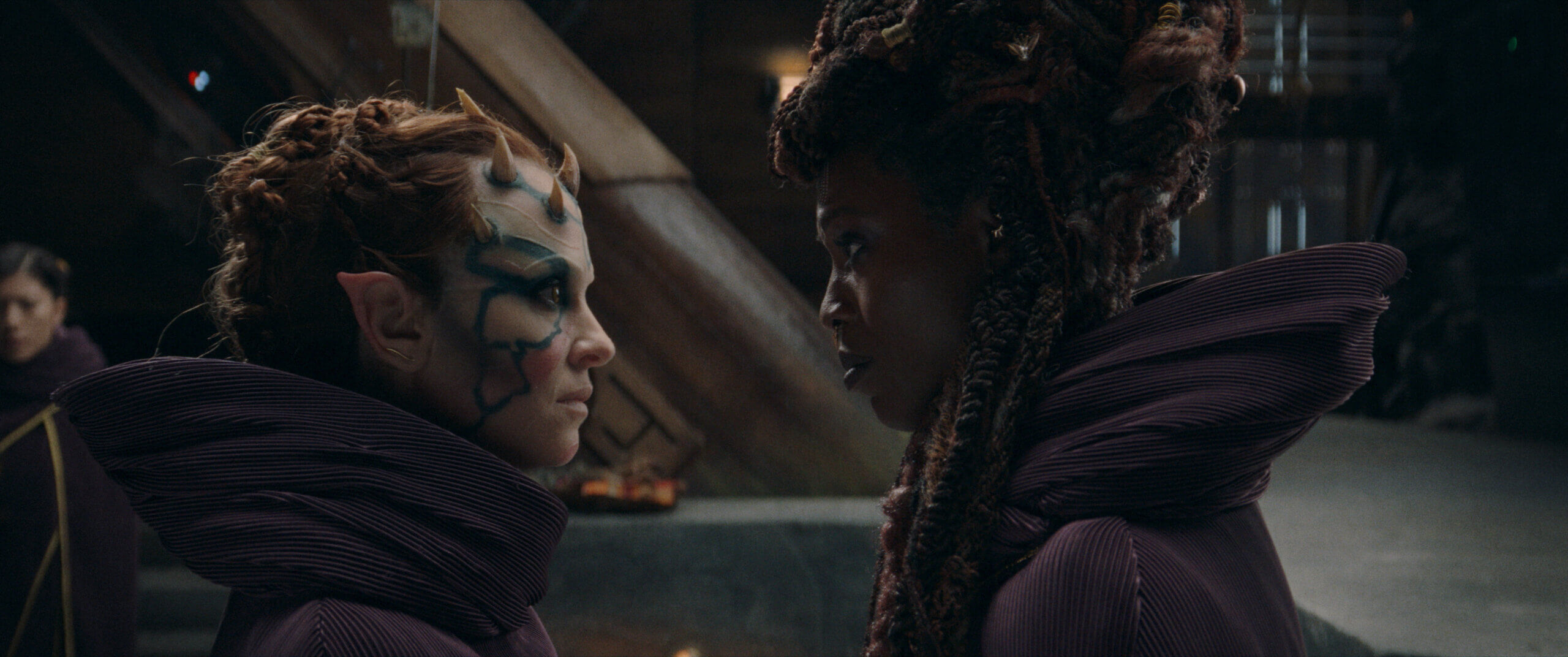
The Jedi are portrayed as deeply flawed in The Acolyte, which has clearly come as a surprise to some. The institution in the show is hyper-protective of itself, to the point that its leader Vernestra Rwoh (Rebecca Henderson) refuses external assessment of the Order–this partly makes sense, since they’re peacekeepers so they don’t want politicians foisting their agendas on the Jedi, but gone unchecked, any institution can become the enemy they intended to stop–which is what happened when Anakin Skywalker turned to the Dark Side.
But even if the institution has standards, not all the members do. The core group of Jedi at fault in The Acolyte are Sol, Indara, Torbin (Dean-Charles Chapman), and Kelnacca (Joonas Suotamo). In the past, we see them act on prejudice against Aniseya’s coven on Brendok. Sol only sees what he wants to see: that the coven is hurting little children, Mae and Osha. Meanwhile, Torbin is young and restless and acts impulsively, hoping to uncover the supposed vergence that will end their mission and let him go home. Impulsiveness is not an unknown Jedi trait; Anakin had a habit of acting first and thinking never, but Torbin acts against a powerful coven who rightfully fights back.
Sol and Torbin go rogue–and here there’s a hint of misogyny where they don’t follow Indara’s instructions, which leads to them battling the coven. In the end, the group kills the whole coven, and then covers up what they did for 16 years. What’s worse is, in the finale, it seems that Sol continues to believe he did the right thing, or maybe that’s what 16 years of lying to yourself does.
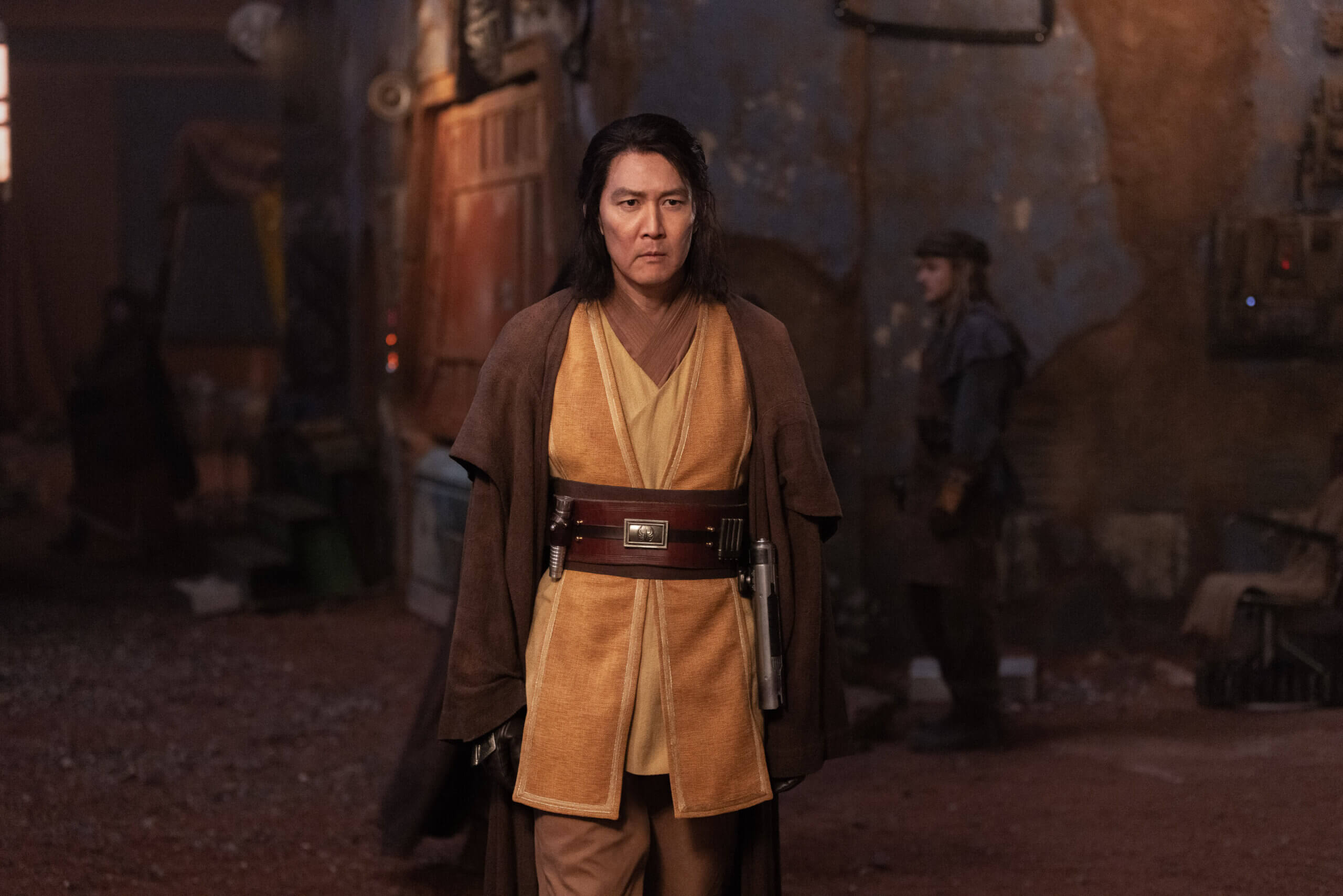
It’s not like the Jedi Council have always been perfect in other Star Wars properties–they are an institution that normalize taking little children away from their families, never to let them return. And, it’s not like they’ve had supports in place for children who have struggled with leaving their homes; look at Anakin Skywalker, who chose to leave his mother and become a Jedi, but really didn’t have the maturity to deal with such a life-changing decision. The choice not to help Anakin with his loss turned out really badly for the Jedi and the whole galaxy.
The Clone Wars show delved deep into the dichotomy of the Jedi being the peacekeepers of the galaxy who are at the forefront of the battle against the Separatists. They’re also quick to judge as Anakin’s Padawan Ahsoka Tano found out when she was falsely accused of a crime and the Order turned its back on her. But to see the Jedi positioned as literal villains in The Acolyte is shocking. And yet, from a certain point of view, of course the Jedi can be evil to some.
I can understand why some people have a problem with how the Jedi are portrayed here–the real world is full of terrible institutions, did the Jedi have to follow suit? But then again, if art can’t comment on reality, what’s the point of it? I was floored by this take, but I can’t help but wonder—why is it that the one time we get a show about the Jedi filled with a cast of people of colour and women, do we get a story of our beloved heroes being the bad guys? And why are those Jedi now all dead?
What the show also did well was introduce aspects of the expanded universe books into live-action, such as Qimir/“the Stranger” using Cortosis for his armour and helmet, lightsaber bleeding, and Darth Plagueis–these fill out the lore of the franchise while bringing in Easter eggs that long-time readers are familiar with.
Storytelling & Pacing in the Age of Marathon-Watching
When I first watched The Acolyte, I’ll admit it took me till Episode 5, “Night,” to sit up and take notice of how this show had a different approach to its characters than a lot of genre fare these days (AKA: the willingness to kill off characters). I had felt that the four episodes up till that point were on cruise control, and then “Night” happened and the characters we were following were dead, Mae had swapped places with Osha, and nothing was the same anymore. But then, the three episodes following “Night” didn’t have as many twists, and I found the pacing and tension had dissipated. I enjoyed the show, but I wasn’t in love with it. It doesn’t help that the first two episodes are the show’s weakest from a directorial sense. The premiere, “Lost/Found,” is stodgily directed with absolutely no tension built into the revelation that Stenberg is playing two characters and that Osha’s life is about to be turned upside down. The highlight is the opening fight scene and the story was enough to keep me coming back for more. Episode 2, “Revenge/Justice,” is better, but the climactic fight scene is not as tense as its successors. When people are tuning in weekly, this could be a deterrent to them coming back for more. Also, sexism.
I had had a similar issue with two other serialized Star Wars shows: Obi-Wan Kenobi and Ahsoka. Andor didn’t have the turgid pacing problem, so it really is a case of who’s behind the camera. But, unlike with the other shows I’ve mentioned, I was desperate to rewatch The Acolyte despite the pacing issues.
When I rewatched the show, I no longer took issue with the pacing. In fact, I genuinely feel The Acolyte is one of the best Star Wars entries with superb writing, editing, and a striking story. The two episodes directed by Kogonada, which focused on the coven, were chef’s-kiss brilliant–emotional, tender, intense. We need this man involved in more Star Wars. I also really enjoyed Episode 4 “Day” and Episode 6 “Teach/Corrupt,” even though nothing much happens in them. First time around, I thought “Day” felt aimless because I was under the impression that we’d have all eight episodes to learn about how Yord and Jecki and the rest of the gang fit into the story. And, I felt “Teach/Corrupt” was a filler episode stalling the story before the big revelation of what really happened in the past. Second time around though, I was drawn in by the character dynamics that are core to these two episodes.
This is definitely one of those shows that works better when watched as a whole – it, unfortunately, suffers one of the problems of the streaming era; everyone makes TV shows like they’re “one long movie,” so they don’t capture the highs and lows of storytelling needed to fit the episodic structure of a weekly rollout. I think that’s where The Acolyte suffered – the show is deliberately paced to be marathon-watched as one long story, not chopped up into weekly chapters.
So the show faced a double-edged sword; it didn’t fit how it was released as a serialized story nor did it meet audience expectations of weekly episodes that engage you from the get-go and usually end on cliffhangers, which was perhaps one reason some people gave up on it early on.
Inconsistent Performances
A lot of people are dismissive of the acting in genre fare, but you can’t be sucked into a world of witches and Jedi and laser swords and pew pew guns, without convincing performances by everyone involved. The Acolyte has some outstanding performances, but a couple of them don’t accurately convey the characters’ emotional journeys.
Amandla Stenberg plays two roles, adult Verosha and Mae-ho Aniseya. At the start of the show, both characters think the other is dead and they’re grieving in different ways. Osha tried and failed to overcome her hatred for her sister, who she believed caused the decimation of her family and home. Though she was loved and nurtured by Master Sol, Osha eventually had to abandon her dream of becoming a Jedi. Mae, on the other hand, was plucked up by the Stranger, stuck on an unknown planet, and groomed to be an Acolyte for a Sith Lord with one mission–to exact revenge on the Jedi who destroyed her life. These are two such different lives, and yet, the characters are indistinguishable from one another.
Now, I’m a twin, and we are eerily alike, so I like that the creators of the show demonstrate how nature overcomes nurture in particular ways. And, Osha and Mae aren’t just twins in the show, they’re literally one life split into two. So, of course they’ll have similar personalities and reactions and fighting styles. But, what they shouldn’t have is the same demeanour, because even when Osha and Mae were children, they didn’t carry themselves the same way. The child versions of Osha and Mae, played by Lauren Brady and Leah Brady, portray how the sisters wanted different things in life and that affected how they moved, behaved, and reacted to the world. They were expressive and believable which drew us into their different personal struggles.
The problem with how Stenberg plays the characters—and I don’t know if this is on the actor or the directors—is that she doesn’t react to what’s going on around her. Even if she’s restrained, there has to be some change in her posture, gestures, something to give away the turmoil she’s suddenly facing.
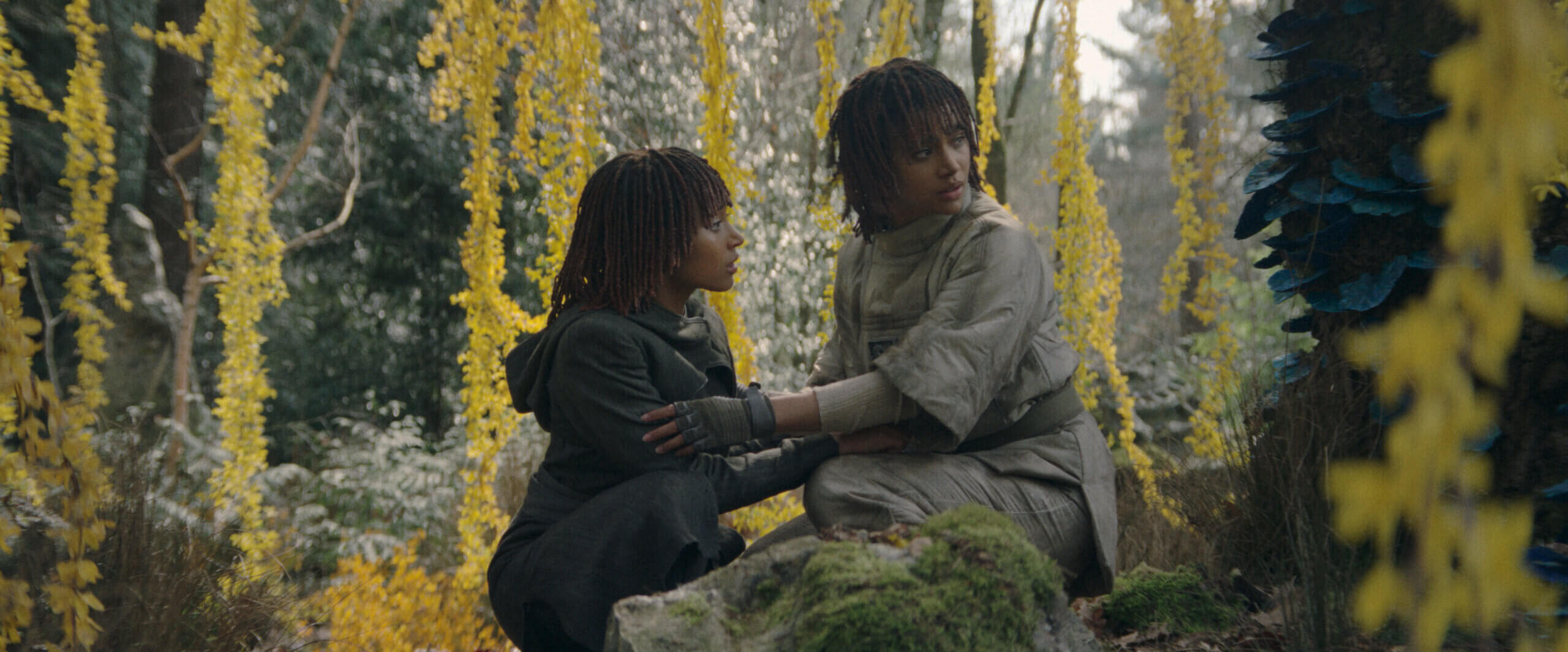
Osha is going about her life as normal when an old friend arrives and accuses her of murder. No expression. She ends up incarcerated and in the middle of a prison break. No expression. The ship crashes, and she is visited by her dead sister. No expression. In fact, at one point, Sol says to Osha that he didn’t know she was still so angry and I’m like: “Wait, when was she angry?”
In the case of Mae, I’ll admit I had expectations of how someone who has gone to the Dark Side of the Force would behave. There’s always a pained brooding quality to the Sith characters we’ve seen or read so far, but those characters had already been seduced by the Dark Side. Mae is an acolyte-in-training, something we haven’t seen on screen in Star Wars before, so I guess that makes her different. But, that doesn’t explain Mae’s indifference to everything she’s going through. We have no understanding of how difficult or painful her life was—but, given the context clues we can assume her upbringing was lonely and full of anger and rage. So, why is none of that evident in Mae? At most, Mae comes across as a rebellious teen who’s sticking it to her father/Master by not following his instructions to the tee which doesn’t fit with her story. Mae doesn’t just have a mission to kill the four Jedi who murdered her family and her village, she also has a task to complete to please her Master. But here’s the thing, what’s at stake if she doesn’t please the Master? He will kill her! Mae’s life is literally on the line, and there is no fear or tension or urgency in her body language.
Was this an intentional choice, and who made it? Because it does Osha and Mae—the primary protagonist and antagonist of the show–absolutely no favours.
And then there’s Rebecca Henderson as Master Vernestra Rwoh—I tried so hard to like this character, but man, that performance was not good. First of all, I don’t think the terrible makeup job helped. Is there something about green makeup that doesn’t work on screen any more? It looks uneven; like it’s going to come off any moment. The light also reflected weirdly on it throughout so it was distracting. But I blame the green because I felt the makeup for Hera Syndulla on Ahsoka and several actors playing Orions on Star Trek shows have that similar artificial look. And have you seen the trailer for Wicked–I tell you, it’s the green. Marvel’s Gamora is the one rare character I can think of who rocks the green makeup. This is a Star Wars show, so you know the makeup and prosthetics will be outstanding, which they are, such as for Dafne Keen and Margarita Levieva, who played Mother Koril, so Rwoh is the one aberration in the makeup department.
But, as much as I wish the green was the only issue with Rwoh, I felt Henderson was too wooden and unsure of how to interpret her character’s status as a leader who’s caught in a bind. Rwoh is a character from the High Republic books–she was a prodigy who became a Jedi Knight at only 15 and went through a lot including losing her faith in the Jedi Order for a bit. At the time of the show, she’s an Elder Jedi Master, and it looks like she’s been leading the Jedi for a long while. Rwoh is faced with a difficult situation, a mystery involving evil Force-users, dead Jedi, and worse, secrets kept from her by her own people. And she is deadpan throughout–impassive and restrained. I think she was going for measured, but that’s not what came across.
None of this is helped by the fact that the rest of the cast is so compelling to watch. I’ve seen Charlie Barnett in a few other roles, and he always brings this adorable puppy dog enthusiasm to his characters that will invariably endear him to you even though he’s rubbing you the wrong way. His Yord Fandar would be such an annoying colleague to work with, but you can’t really argue with someone who gets the job done even if he does things very much by-the-book. Yord has a chip on his shoulder which probably comes from the fact that he doesn’t have a handle on his fears, but makes for wonderfully understated comic relief because Barnett plays the character exactly as straight and seriously as Yord thinks he is. I was so looking forward to seeing more of Yord succeeding by being a stickler for the rules (pop culture hates rule followers), and I was sad to see him die.
Dafne Keen, best known for her powerhouse performance as Laura in Logan, is unstoppable even under gallons of makeup and prosthetics. Jecki Lon is so snarky and snobby, but she’s got a big, kind heart that I was dying to see more of. I freaking love Jecki because she doesn’t mince words and part of me wanted to see how Yord and Jecki’s professional relationship would develop. And, I really thought there was a possible romance blossoming between Osha and Jecki because their chemistry was electric, but then Jecki got killed, so that was that. Also, Jecki had some of the best fight choreography in all of Star Wars, and I’m going to miss seeing that energetic fighting on screen.
Then there’s Manny Jacinto who has, for far too long, been on the fringes of becoming a household name, and we all know why he hasn’t (it’s systemic racism, in case you’re wondering). He’s brilliant in The Acolyte. He’s essentially playing two characters on the show, or rather, two versions of the character. We first see Jacinto as Qimir, the goofy “supplier” aiding Mae, before he reveals himself as “the Stranger” who’s been Mae’s Sith Master all along. He is so smarmy as Qimir and dark and dangerous and alluring as the Stranger. It’s obvious this character thinks he knows it all, after all, his Master is the Darth Plagueis. But, the Stranger is a rare Sith in an era when the Sith are considered extinct and single-minded in his pursuit to follow Sith doctrine of the Rule of Two. Except, Mae hasn’t made it easy for him to achieve his goal, and so he’s covering up his lack of success with bravado. And Jacinto effortlessly conveys all of that perfectly.
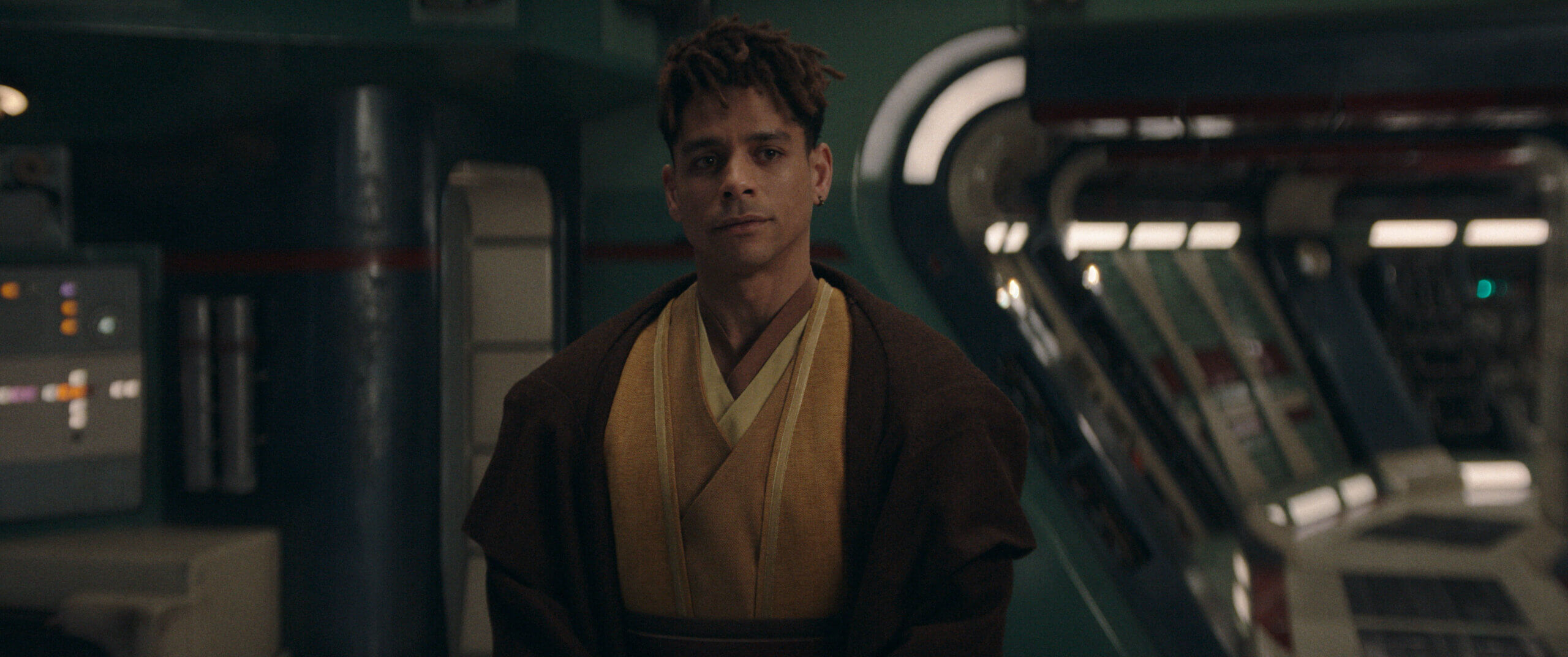
Of course, none of the performances compare to Lee Jung-jae who knocks it out of the park. This is Lee’s first English-language role, and he learnt enough of the language in just four months to carry the whole show. He evokes so much emotion in every scene he’s in—the way his face lights up when he is interacting with Jecki and Osha, his reverence for Vernestra, his heartache at everything he’s done, it all comes across in his dialogue delivery, but especially his face. Who can forget that wordless scene in Episode 6 when Lee’s Master Sol takes a solitary moment to himself to emote every phase of grief? It was a masterclass in acting. But when you have such a high level of skill on display, there is no margin for error for the rest of the cast.
Reflections on The Acolyte’s Cancellation
I don’t really know how to feel about the cancelletion of The Acolyte. We’re left with a lot of questions because that finale did not feel like a finale. But the characters I like the most–Sol, Indara, Yord, and Jecki–are now gone from the main story of the show, and well, some of them weren’t the nicest people to start with, apparently. So, had the story continued on screen, would I have been invested with the characters that were left: Vernestra, Osha, Mae, the Stranger, Senator Rayencourt (David Harewood), Darth Plagueis, Bazil (Hassan Taj), and Mog Adana (Harry Trevaldwyn)? Had there been another season I believe I would have still tuned in, but I would have expected the creators to make sure the pacing was right structured to fit a weekly rollout and got the best out of the actors.

It’s such a pity we won’t get another season, because they could have made the show actually gay. There are so many queer people in front of and behind the camera of The Acolyte, but all we got was a whiff of Aniseya and Mother Koril (Margarita Levieva) as lesbian witches. That’s the gayest thing Star Wars can do? Why couldn’t Mae and/or Osha be non-binary like Stenberg is? How about including gay characters who are just gay, no romance needed (though some romance would be nice)?
I have my issues with The Acolyte, but the good outweighs the bad by several lightyears, even more so after a rewatch. I learned so much Star Wars lore through this show. I saw some of the most breathtaking lightsaber duels and watched heartbreaking deaths. Could we have believed, even ten years ago, that a Star Wars show would effortlessly include so many complicated roles for women and people of colour? Yes, there are inconsistencies in the execution, but this show asks the audience to revisit a galaxy far, far away and think about whether we have idealized the Jedi too much, or whether they’re just like everyone else juggling, and struggling with their interpersonal and political issues. And that’s exactly what makes this show so memorable and important. And now, we’ll never know how much it could have changed the landscape of the galaxy far, far away. But the journey will hopefully continue in books and comics.
