


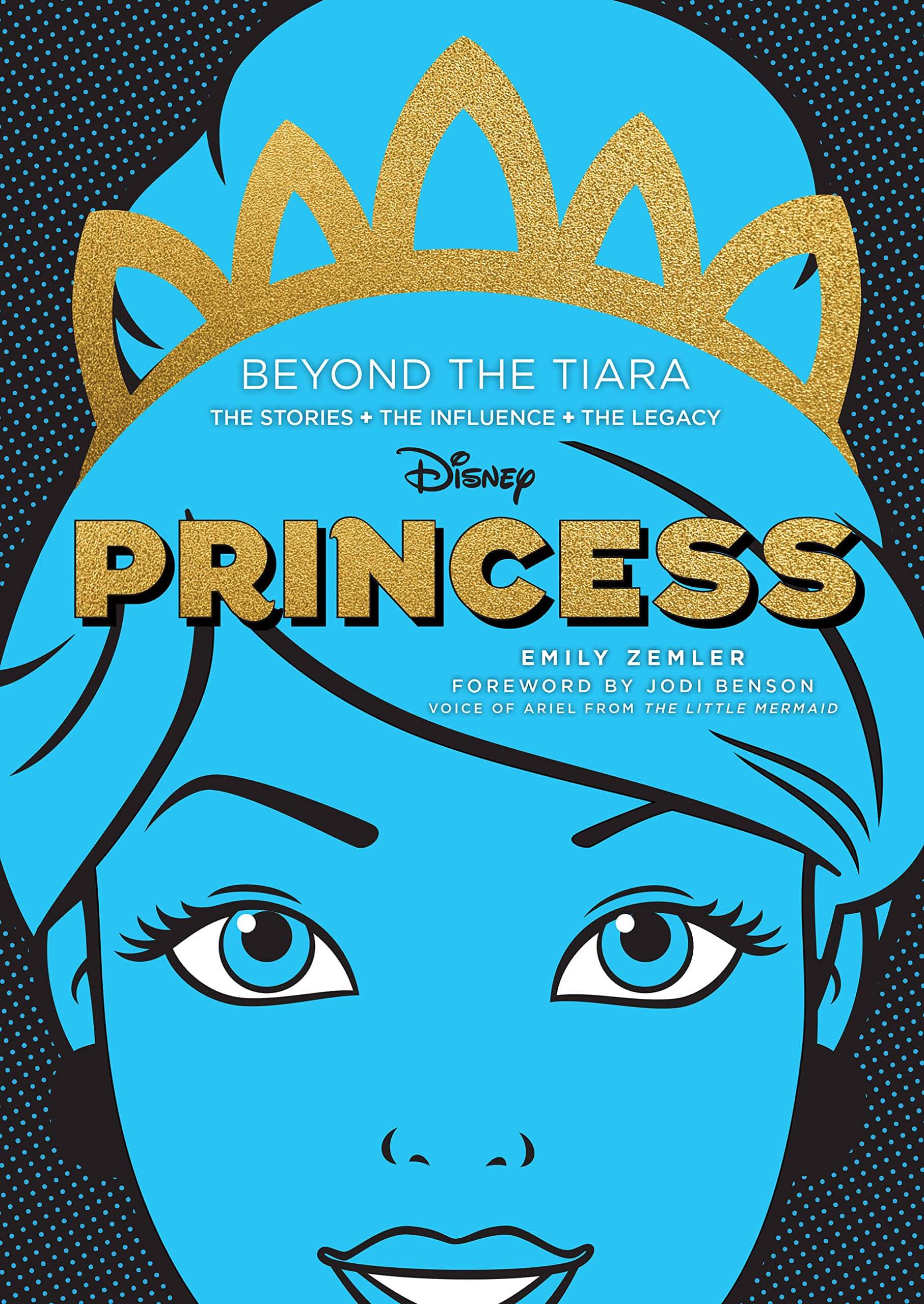
Disney Princess: Beyond the Tiara tells you everything you’ve ever wanted to know about how Disney Princesses became such a cultural force in American life. The book promises to explore the whys and hows of Walt Disney’s decision to make Snow White, to how Anna and Elsa evolved out of The Snow Queen. It’s a properly weighty, generally fascinating piece for its first few chapters and throws in some solid research, but the latter half of the book spends too much time spreading out Disney’s stock portfolio and advertising everything from Disney Parks to Disney dolls instead of digging in deeper.
Disney Princess: Beyond the Tiara: The Stories + The Influence + The Legacy
Jodi Benson (Intro); Emily Zemler (Writing)
September 20, 2022
Epic Ink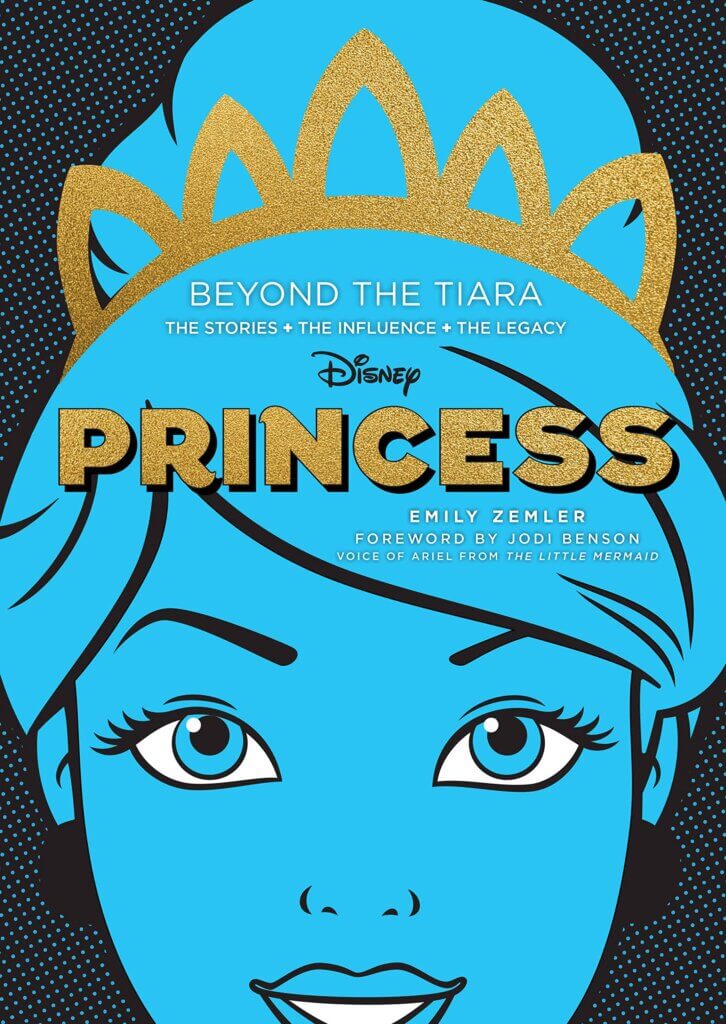
It’s a candy-coated pink, princess-loving world — at least as far as Disney’s concerned. While not every single person on the planet has a favorite Disney film or a much-adored Disney Princess, odds are they know someone who does, or who has a child who wants Tiana to come to their birthday party.
Emily Zemler works to bring together all of the different disparate threads which provide Disney’s World of Princesshood with Disney Princess: Beyond the Tiara. But only the book’s early portions are fascinating, with the middle stretch of the tome coming off as a combination sales brochure for Disney Inc. and a shallow Wikipedia entry.
The first chapter is definitely the most interesting of the lot. Beginning with Walt Disney’s determination to prove that full-length feature animation about a female character could sell, we follow him through the process of trying out short films featuring young ladies. The Merrie Melody series helps prove that people of all ages hunger for princess-shaped people in their lives, and helped launch Disney toward making his first full-length feature. The chapter then breaks down the conception of each of the official Disney princesses, speaking to concept artists, writers, and voice talent to explain how each girl came to be. This information is breezily handled and easy to digest.
The following chapters are perfunctory at best — a quick overview of the direct-to-VHS and DVD era, the live-action remakes, and the impetus behind Once Upon a Time. There’s nothing particularly new or fresh in this section. Equally dull is the ensuing chapter about Disney’s merchandising arm. The former starts out promisingly by explaining how Walt Disney set about merchandising his movies and shows, but then provides an average rundown of the various ways Disney spends its capital, from mobile games to plastic figures.
The book picks up again with a chapter exploring how Disney drew inspiration from real-life movie stars to create costumes for their princesses, and how, in turn, their costuming work inspired real-life fashion trends and brands. Yet the chapter that follows — about Disney’s move to Broadway and the importance of its songwriters — is as terse as a Wikipedia article. The legendary Howard Ashman only gets a brief three-paragraph discussion of his importance (with a fitting quote from Alan Menkin). It’s pleasant but rushes along too quickly. Thankfully, the volume is saved by an entire chapter about fan artists, meme creators, and cosplayers who love Disney.
There are token nods toward feminism. Princesses like Moana are put forth to explain Disney’s ever-evolving attitude toward the world at large and point out that Disney doesn’t always mean long dresses and romances. The book’s final chapter finally rises to meet the promise of the first chapter, explaining how the legacy of artists like Mary Blair broke down doors so that women like Brittney Lee and Linda Woolverton to join Disney themselves. The book could’ve used a pinch more of this magic instead of spinning its wheels on commercialized frippery, but at least Beyond the Tiara tries to display some ambition in its best moments. But it is no magic carpet ride to happily ever after.
