

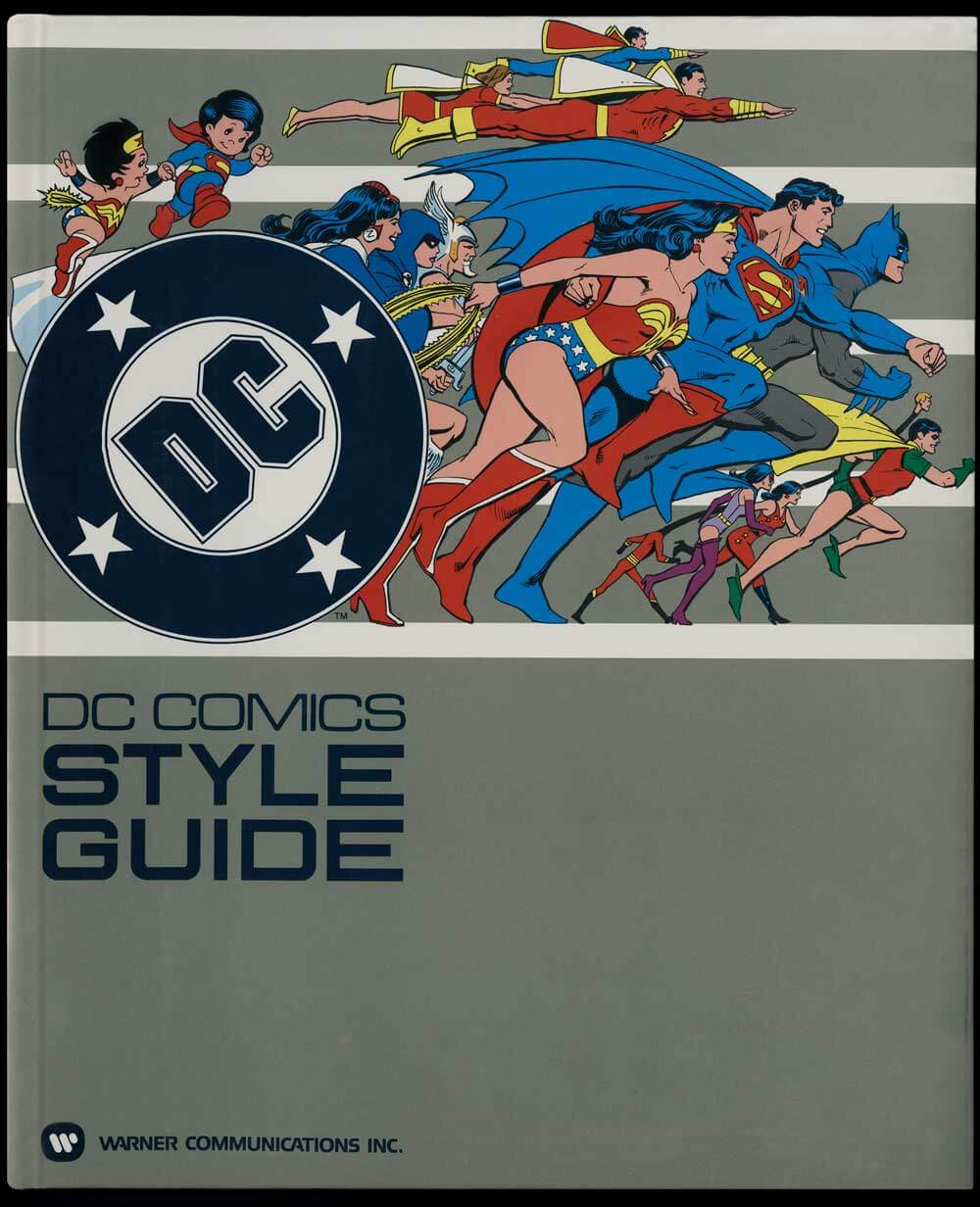
Welcome to Cover Girl! For this feature, we gather a team of WWAC contributors to analyze a new or recent and notable comic book cover featuring one or more women. This month, Carrie McClain, Rosie Knight, Lisa Fernandes, and Kayleigh Hearn talk about the cover of Wonder Woman #11 artist spotlight variant by the legendary José Luis García-López, featuring art from the 1982 DC Comics Style Guide!

What is your initial reaction to this cover as a piece of comic art?
Carrie: DIANA!!!!! These fun covers feature art from the style guides? Oh, what a fun throwback featuring José Luis García-López’s art! What a thoughtful way to introduce his work to younger generations of comic book readers and artists. Sidebar: I’ve always been such a big fan of those boots!
Rosie: JOSÉ!!!!! So delightful to see his gorgeous style guides which have gone on to shape these heroes that we love and also the face of DC merchandising as we know it. These designs adorn everything from pencil cases to t-shirts, luggage to makeup, so it’s lovely to see them on an actual comic book. Though of course, my first question is… did he get paid for these covers? My guess is no, as they were likely done under the umbrella of work for hire, but I still can’t help hoping he got something or is at least on a nice retainer for how much these have been used over the years! Also, isn’t this just the loveliest Diana? Her energy comes through immediately even just in these three simple poses.
Lisa: How adorable is this cover? This is Diana at her most Diana-est, cheerful, determined, and lovely. José Luis García-López’ talents radiate.
Kayleigh: DIANA!!!!! JOSÉ!!!!! DIANA AND JOSÉ!!!!! (Whew, excuse me while I take a breath and unjam my caps lock key.) While I love this variant, I chose it for this month’s Cover Girl roundtable because, as mentioned in our introduction, it was never intended to be a cover at all. The DC Comics Style Guide was a three-ring binder circulated within the company that has, in the decades since, become something of a cult object for collectors due to García-López’s beautiful art and the fact that it was never made commercially available (until now!). The release of these Artist’s Variants certainly gives modern readers a chance to feel like they’re holding the 1982 Style Guide. But my question is, does a 42-year-old Wonder Woman character design sheet actually make a good comic book cover? Judging from the three commentators above me: Yes.
What do you think the artist is trying to achieve?
Carrie: If I know anything about style guides, they are meant as a guide for creatives and the people who work with them. As a cover, I feel like this features Wonder Woman in a simple way just like Batman, Superman, and others–standing, in slight motion, and exiting the stage. I like that there is a hint of joy in Diana’s poses, especially in the second and third poses. She has a playful hop with a smile in the middle and retains that smile on her way out. She also looks approachable, which makes me wonder if the style guide was influenced by the popularity of the Wonder Woman featuring Lynda Carter, which ended right before the 1980s.
Rosie: As Carrie mentioned, this is very much a style guide first. But whoever in production put these covers together did a fantastic job. I can feel Diana’s energy coming through, and the simple, striking design showcases José’s stunning art, which I think is the main point of these spotlight covers. Not only do we get to see Diana in all her glory, but we can see how this specific design has shaped the character over the years and how rarely she’s strayed from this iconic look. In that way, I think it’s a very successful cover as it showcases Josè’s work and puts the focus on Diana and her iconic status at DC.
Lisa: It does feel very “style guide,” while also celebrating the feel of Diana’s look in the 1970s and 1980s.
Kayleigh: The purpose of the Style Guide was to show creators and licensors what Wonder Woman looked like – her costume, her lasso, her hair, and her tiara. Obviously, the artist succeeded on that front. But notice how there is nothing still or staid about these illustrations of Diana; she’s striding confidently towards the viewer or making a graceful landing from a jump. The colorful, iconic costume is almost beside the point, because José Luis García-López doesn’t just show us what Wonder Woman looks like, he shows us who she is.
What does this cover tell you about the character?
Carrie: I’m sure these variant covers could be seen as basic and boring to someone, and that’s fine. When I look at this one, I see Diana about to bounce out of the frame and doing her own thing–you see how her feet and head are out of bounds and don’t fit perfectly in the boxes? Sure, it could absolutely be a much more exciting cover yet I appreciate the basics: human anatomy, bodies in motion, inking, lettering, coloring and all that jazz–maybe this will inspire and/or encourage artists who feel troubled over the rise and overwhelming popularity and presence of AI art?
Rosie: Even though this art wasn’t meant to be seen on a cover like this, I still think that Garcia-Lopez manages to tell us so much about Diana. There’s so much energy and joy that radiates from the image, it’s clear to see she’s a hero who relies on hope and hopes for happiness and justice in a way that’s different to a hero like Batman, or even Superman. It also showcases how Garcia-Lopez’s art has become so renowned and reused, you can see these drawings on everything from lunch boxes to t-shirts to socks and makeup bags. This is a definitive vision of Diana and DC Comics, and it’s still as appealing now as it ever was.
Lisa: She’s active, cheerful, strong, kind, and determined – all things Diana actively is!
Kayleigh: Wonder Woman is beautiful, yes. She’s also full of vitality and charm (that little mid-leap smile!), with a physique that says power even though none of these poses pretend she’s pummeling a supervillain just slightly out of frame. José Luis García-López is perhaps one of the most defining artists in DC Comics history, and Wonder Woman #11’s Artist Variant reminds us why.
