

Welcome to the WWAC Pride Month LGBTQ+ manga roundtable! Our manga-loving contributors sat down to talk about their favorite series, trends in LGBTQ+ manga, LGBT content in manga overall, and what we’re looking forward to this pride month.
Favorite LGBTQ+ manga?
Paulina: I’ve rec’d it a few times but I Want to be a Wall remains one of my favorites. The premise is that a woman (ace and BL fan) and a man (gay and still in love with his childhood best friend) decide to get married. It sounds like a story premise selected by a queer-prompt generator but it balances the kookiness of the premise with a level of practicality that makes the story comforting. One of the key points that it makes is the way it reminds us we can choose to care for, in an intimate way, people who we are not romantically interested in. And in a way that feels deeper than friendship. It’s a sort of intimate look at the found-family theme so prominent in other queer narratives but does it within the expectations, or veneer, of what non-queer society wants people of the binary-genders to do like get married.
Alenka Figa: My number one series right now is My Love Mix-Up! By Aruko and Wataru Hinekure. I’ve already discussed it in a WWACommendations so I won’t retread ground here, but this series is just perfect. It’s funny, sweet, and the B-plot couple is just as fun to follow as the A-plot couple. It feels like a very modern BL series to me because it directly addresses homophobia and depicts a friend group which feels very much like teens I see today: they banter, they tell each other straight-up about their faults, and they accept and support each other. Aruko also draws the funniest facial expressions ever.

Masha Zhdanova: My Love Mix-Up! is so funny! I love it so much!! My favorite LGBTQ+ manga these days is How Do We Relationship? Which I just reread because it’s on the VIZ app now in almost-entirety. It’s about two girls who start dating in college and then start figuring what they like and want and need from their relationships, friendships, and life in general. I like how complex the relationships in the series are — both the relationships between the two leads and the side characters. Every character and situation in it feels so real in a way I’ve never seen in manga before. I also just binged What Did You Eat Yesterday? which is like 70% cooking instructions and 30% middle-aged gay domesticity, but the cooking instructions were aspirational and the complexities of the longterm partnership between Kenji and Shiro were really absorbing.

Kathryn Hemmann: Gengoroh Tagame’s Our Colors, which was published last June with a translation by the incredible Anne Ishii, is a one-volume graphic novel about a 16-year-old aspiring artist who benefits from the mentorship of an older café owner as they both come to understand and accept their sexuality. Tagame’s art and writing have never been more powerful, and I appreciate how a number of the scenes in the story can serve as concrete models for tricky conversations, from how to come out to your parents to how to deal with a well-meaning straight ally who has said something clueless. Our Colors is one of the most poignant portrayals of LGBTQ+ culture in contemporary Japan, and I’d happily recommend it even to people who don’t usually read manga.
Essay and nonfiction/autobiographical LGBTQ+ manga: thoughts?
Paulina: A bit of a controversial stance but I did not come away feeling great about Kabi Nagata’s second autobio manga, My Solo Exchange Diary. While I found My Lesbian Experience with Loneliness depressing and relatable, Exchange Diary just didn’t sit right with me. Nagata’s combination of visual and narrative storytelling, particularly in a sequence about an important quote she found regarding how independence is about relying on more people but each one a little less, was great. But overall, the comic just felt weird and I didn’t come away wanting to read more of her work. I know a lot of folks really mesh with it but I felt fine stopping after Exchange Diary.
Masha: Interesting! Could you elaborate a bit more on what felt weird or didn’t sit right with you?
In addition to Nagata Kabi’s work, I was also thinking of the more recent releases X Gender, Until I Meet My Husband, The Girl That Can’t Get A Girlfriend, and Until I Love Myself, among other titles I might’ve missed. Like there’s a lot of this stuff out there now!
Paulina: There is just so much more now! With regards to Exchange Diary I think there was something about it that felt voyeuristic or exploitative even though it’s her own work. It has been a minute since I read the series but it just felt too much like watching bad stuff happen to someone and we just…keep watching it happen. And that wasn’t my vibe at the time. This might also just be a 100% me reaction, as I’m not sure I’ve come across anyone else who’s mentioned this feeling.
Kathryn: I totally understand your reaction, Paulina. To me, it felt almost as if the artist might have been in a “publish or perish” situation in which she needed to continue producing content in order to be able to leave a toxic environment and live on her own, and I couldn’t help but wonder if the expectations of the editor and publisher didn’t perhaps push the artist into sharing a story that she wasn’t yet ready to tell. There’s no way to say for sure, of course, but I still worry that the competitive and deadline-driven nature of mainstream manga serialization might make it difficult to create sensitive autobiographical stories that require more reflection.
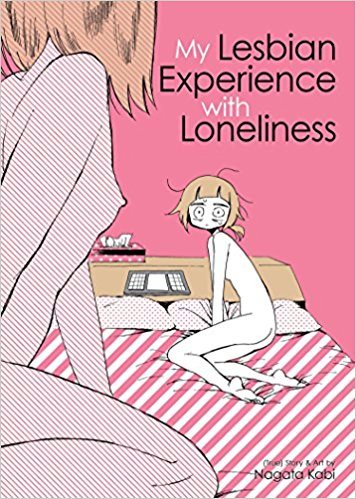
Masha: I’ve heard a lot about the dangers of making your own sadness your personal brand, and I can understand why publishing something like My Lesbian Experience with Loneliness could end up further hurting its creator. I just read Until I Love Myself by Poppy Pesuyama which is about how Pesuyama’s nonbinary identity intersects with the sexual assault and trauma they’ve dealt with throughout their lives and how their editor helped them work through the events to turn them into a manga. It was very difficult to read, but one of the things Pesuyama brought up was that they felt they needed to draw this story before they could make manga about other things again. I wonder if Nagata Kabi felt similarly about her own experiences.
I’ve read a few LGBT-themed essay manga and I think I generally end up coming away feeling like I am not the target audience for it. It feels like the purpose of a lot of these kinds of things is to explain queer issues to straight people who don’t really know much about the subject themselves and not other queer people. Which is valid! But it does mean there’s a lot of stuff that’s like “okay yeah I know this already.” I know exactly what the gay dating apps discussed in The Girl That Can’t Get A Girlfriend look like because I’ve been on them, for instance.
I did enjoy how Until I Meet My Husband looked more like a narrative manga with like, pretty faces and not a cartoony author insert talking to the reader the whole time, I think that made it a lot more fun to look at.
Kathryn: I also want to recommend the essay collection that Until I Meet My Husband is based on! Ryousuke Nanasaki is a fantastic writer. I ended up being sucked into his life story, which is inspiring yet still intimately relatable. The serious political topic of this book might make it seem like something you’d expect to have to study like homework, but it’s one of the most entertaining essay collections I’ve read in years. It’s so much fun!
Although the author doesn’t identify as gay, I’d also like to recommend the autobiographical essay manga What Is Obscenity?: The Story of a Good for Nothing Artist and Her Pussy, also translated by Anne Ishii and published by Koyama Press in 2016. Megumi Igarashi, who draws comics under the name Rokudenashiko (meaning “good-for-nothing girl”), is internationally famous for using Kickstarter to fund the creation of a vulva-shaped kayak. When she shared the 3D printing schematic for her boat with the project’s backers, she was charged with violating obscenity laws and sentenced to time in jail. What Is Obscenity? is a critical meditation on how ridiculous this is, as well as a condemnation of the many barriers to freedom of expression that still exist in Japan, especially regarding sexuality. When we talk about the “authenticity” of creative representations of queer sexuality, I think it’s important to keep this in mind.
Is BL/yuri manga gay? Are there cases where it isn’t?
Kathryn: I think this depends on how we define “gay.” To me, there are a lot of uncomfortable identity politics involved in this. Specifically, do we need to create a hierarchy of “gayness” and then disqualify people who are lower on this hierarchy from being able to identify as gay? For example, do cisgender men rank higher than transgender men? Do men rank higher than women? Do “queer” people who don’t fit into neat categories not rank at all? Do “questioning” people not have a say in the conversation? And furthermore, are the needs and interests of Western LGBTQ+ communities more important than the needs of the Japanese source culture? Are Japanese artists not allowed to be “gay” if they have no social or political context for identifying as such, either in 2023 or in previous decades?
I think this conversation regarding “authentic gayness” is coming from two places, neither of which is a good place to be. The first source is English-language scholarship on homosexuality in Japan, which used to be dominated by cisgender gay men. For various political reasons that made sense at the time, these scholars were not interested in listening to voices that fell outside male/female and gay/straight binaries, and they openly ridiculed and discredited minority voices in their scholarship. The second source is contemporary anti-fandom culture on Twitter, which has largely devolved into harassing non-English-speaking artists for perceived crimes against the supposed purity of gay culture. Although elements of the conversations coming from these sources have merit, I don’t think they’re ultimately useful discussions to continue.
My primary basis for saying this is my own research into queer manga cultures, in which I’ve found that many BL and yuri artists are extremely queer, albeit within the context of a society in which queer sexuality and queer gender identity is still (to this day) seen as unhealthy and unnatural. I think it’s easy to take the contemporary American culture of rainbow flags and pride parades for granted while forgetting that the demand for LGBTQ+ rights is still an ongoing struggle being fought in many countries, as well on many fronts – including popular culture.
So again, who gets to claim authority on what it means to be “gay,” especially in artistic representation? What vulnerable people are we throwing under the bus by giving voice to this question in the first place? Is there a better way to frame the discussion?
What I would ask instead is this: What types of “gay” representation and creative expression are present in BL and yuri manga?
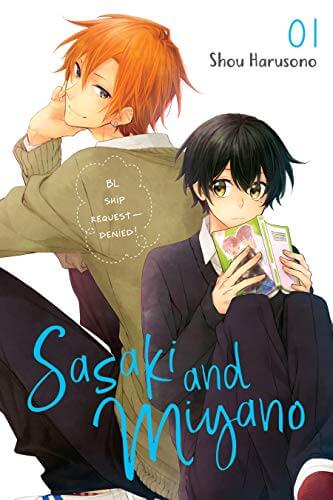
Alenka: I am not sure I feel qualified to answer this question but I want to point folks to two very good, related resources: 1) The episode of Cathy G. Johnson and Remus Jackson’s podcast Drawing a Dialogue, “Boys Love Manga,” and 2) the academic panel referenced heavily in the episode, “Boys’ Love: The History and Transformation of BL in Asia,” on the Japan Foundation’s YouTube. Both discussions are really fascinating. I think I would call BL & yuri manga “queer” in a Western academic sense, both because it features queer relationships and sometimes queers the idea of what a typical relationship/relationship trajectory looks like in manga romance. Because queer relationships are not the norm — although queer relationships in BL and yuri manga often follow their own specific set of norms — characters in yuri/BL frequently have to ask themselves, why do I feel this way? How will I act on these feelings? What will I build with this person that I have feelings for? I think that particular path is very queer and one that I relate to having to follow. A couple series I’d name that feel distinctly queer in this way — that feature characters who deeply question themselves and find ways to pursue love outside of known norms — are Sasaki and Miyano and Bloom into You. Manly Appetites also comes to mind, because Otsu in particular has to learn to see himself differently in order to grow and begin a relationship with Minegishi.
Masha: I went to a panel at a con once about yuri manga where Erica Friedman was speaking, and she said “yuri is lesbianism without lesbian identification” (or something like that, it’s been a few years so I might be misremembering), but the gist was that in a yuri manga the girls kiss but don’t generally call themselves lesbians or identify as girls who like girls or part of the LGBT community. I feel like that’s changed a lot and very quickly, with stuff like How do We Relationship? where the protagonists are explicitly only interested in pursuing relationships with women and very sure of this, and autobio manga like The Girl That Can’t Get A Girlfriend about the author’s real relationship with another woman. I’ve also seen people say that like, BL isn’t inherently queer rep because it follows a set of tropes which aren’t reflective of anyone’s real life experiences, but I don’t think that really makes sense to me. I dunno, I guess it’s all kind of just… vibes… But also like who am I to say what’s authentic representation of something I’ve never personally experienced? I’m not Japanese, and neither are most of those cultural theorists on social media sites tweeting about what kind of manga “counts” as “representation.”
Paulina: I agree on the *vibes* bit. For me I think those vibes are colored by the impression I got about Yuri and Yaoi (if that’s still the word to use?) when I was originally getting into manga in the early 2000s. At the time, both felt hentai-adjacent, which in such a context, could have the space for non-queer characters doing queer things but not because they are queer but because it services a typically straight male-gaze audience, or sometimes a straight female-gaze, audience.
However, recent yuri I’ve come across doesn’t give me those same vibes. In my opinion, How Do We Relationship? feels a bit on the fence. I definitely see a lot more authenticity in the series as far as the characters but I also couldn’t finish the second volume because I found Saeko’s behavior a little too grey-consenty for me. The sort of behavior that, if she were a man, would be unacceptable. And at least in the beginning, Miwa goes along with parts of their relationship passively, which made Saeko’s brash behavior feel extra pushy. That combo of meek passive and brash dominant felt a bit too close to an audience service trope for me to be super invested in their relationship long term.
Masha: Okay, big spoilers for How Do We Relationship? for people who don’t read the descriptions of all the volumes but: the relationship does not actually work out long-term, and it is a flawed dynamic on purpose because they’re not supposed to work out romantically! The series is expanded from a one-shot about the characters post-breakup, so that was part of the initial premise. Which is another reason why I think it’s so interesting— how often do you see a manga about a relationship, queer or het, that ends (messily) and then both of the parties start dating other people better suited for them?
Alenka: I have not heard that argument that tropes make it not queer before and I really dislike that! Western romance is full of tropes, and a lot of queer romance plays with and utilizes tropes that are also in straight romance. Tropes are just part of genre! One thing I think we might be getting to here is that there are harmful tropes in romance in general but very much in BL, where, for example, it’s glossed over if sex between cis men is painful, because that’s just part of the top/bottom dynamic. This must be said: straight romance in all mediums is also chock full of harmful tropes. However, something I’ve been very heartened to see is newer BL (and hopefully also yuri, although I don’t read enough to speak to that) addressing consent. My mom sent me a very good essay about consent in (Western, prose) romance that straight up addresses the fact that romance is sex-ed for a lot of people. It’s important to see healthy consent and healthy sexual relationships in manga, and I hope we keep trending away from manga that hand-waves right past lack of consent and unhealthy sexual relationships.
Kathryn: I agree with Alenka that tropes are a primary element of genre. It’s also worth noting that there are multiple genres of BL and yuri, from postapocalyptic fantasy to slice-of-life comedies to sweet romance to hardcore porn. For what it’s worth, especially in the context of “authenticity,” a fair amount of BL and yuri with elements of dubious consent is drawn by openly gay men, as demonstrated in the scholarship of some of the members of the panel linked to above. It’s wild to say that these men shouldn’t be allowed to express their authentic sexuality because they’re working in a broad creative mode often associated with “women” (in scare quotes) for various reasons relating to marketing and cultural acceptability.
As to why so much racy manga featuring dubious consent was translated into English at the expense of other genres… I really don’t know. But, if I had to guess, I’d say this probably has something to do with the teenage edginess of anime fandom and anime convention culture in America during the late 2000s and early 2010s. This is the culture that spawned 4chan, after all. Meanwhile, if you look at the manga translated into French during roughly the same period of time, it’s much easier to find examples of what we’d now consider “LGBTQ+ manga.”
Alenka: Kathryn, thank you for adding that context because that’s very important and not something I knew! It also reminded me to note that I’m speaking from a very specific perspective, in addition to just having a Western perspective! I’m a teen librarian and I purchase manga for teens, so I think a lot about if we have literature on the shelves that shows examples of healthy relationships, consent, etc.
Veering wildly off to another point — Paulina, in the panel that I linked above they talk about why many cultures have moved away from “yaoi” and part of it is because there are big BL fan communities in places that have a history of Japanese empire/colonization, so they don’t want to use a Japanese term for their own media.
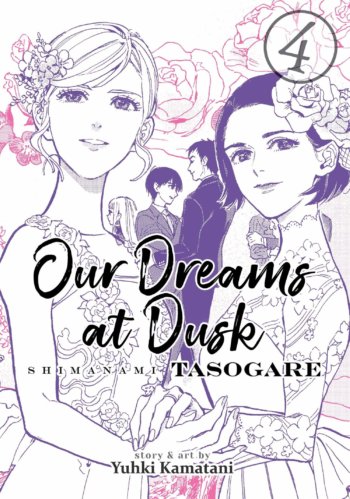
And veering wildly one more time back to Masha’s point about manga characters coming to actually identify as lesbian, gay etc., I’d also recommend Blue Flag, Sasaki and Miyano (yes, again, I love Sasaki and Miyano) and Our Dreams at Dusk if you’re seeking newer series featuring characters who do use identity terms and grapple with what being queer means in their lives and in society. I would also like to note here that series that don’t use terms like “gay,” “lesbian” etc. might fly under the radar and go home with a teen that doesn’t have accepting parents.
Kathryn: I’d like the second Alenka’s recommendation of Our Dreams at Dusk! It’s a gorgeously drawn and beautifully written series about exploring your identity while finding your community.
Masha: I’d like to third that recommendation! It is one of my top three favorite manga of all time ever. So pretty! And made me cry! I also found it really refreshing to read about an actual community of queer people being friends and relying on each other, instead of like, two teenagers in a school full of straight people. I feel like I’ve been seeing that kind of community aspect more often in recent manga too, both older gay role models like in Bloom Into You and That Blue Sky Feeling and friends of the main couple who are also not straight and can offer advice on feelings and stuff.
Alenka: This is off-topic from the original question, but I’ve also enjoyed seeing manga crop up about asexual characters, like I Want to be a Wall as Paulina already suggested, and Is Love the Answer? by Uta Isaki. Asexual people haven’t had the same recognition as other queer identities and are really pushed to justify or define themselves. We’re also, finally, getting more ace stories at a time when other queer stories have been able to pave a bit of a path, so I think ace literature is much less likely to dodge discussions about identity terms.
Kathryn: Is Love the Answer? is an apt and interesting title to bring into this conversation! The artist positions the self-identified “otaku” who create and consume queer manga and fancomics as belonging under the LGBTQ+ rainbow, even if they don’t openly identify as gay. Because the broader culture is now beginning to discuss all the various ways in which someone can be ace, I think (I hope!) we’re starting to see less stigma surrounding people who could feel attracted to fictional characters but have no interest in a sexual relationship “in real life.” There are an infinite number of colors in the rainbow, and there are an infinite number of ways to be gay!

Any good trans/nonbinary characters in manga these days?
Alenka: It’s been a while since I read it but the trans characters in Our Dreams at Dusk come to mind, mostly because Misora in particular (who, to be fair, isn’t sure that they identify as trans or nonbinary) are very messy. There’s some serious hurt-people-hurting-hurt-people stuff that happens in that short series, but it all sticks around and gets discussed and fretted upon and readdressed, which just feels very real. I also, personally, love a trans character who is kind of a messy l’il shit.
Kathryn: I will always love Kino, the openly nonbinary protagonist of the groundbreaking light novel series Kino’s Journey. The recent manga adaptation drawn by Iruka Shiomiya, which was published in English in eight volumes from 2018 to 2021, is fantastic, as is its anime counterpart. It’s difficult to place Kino’s Journey into a genre, but “fantasy adventure” is probably the closest fit. As Kino travels from one city to another on their talking motorcycle, they encounter various systems of governance that toe the fine line between utopia and dystopia. Kino’s gender identity never becomes a focus of any of these loosely connected stories, but they never hesitate to shut down anyone who attempts to gender them. Honestly, I think it’s fair to say that Kino’s gender is “amusement at the folly of humankind,” and I appreciate that.
Any recent/upcoming releases you’re looking forward to?
Alenka: I was very excited to see I’m Kinda Chubby and I’m Your Hero by Nore! It hits a lot of good notes for me — a moderate focus on food (one of the main characters is a pastry chef!), silly visual gags/easter eggs that help keep the overall tone light, and a slow burn that doesn’t feel TOO slow, at least in the first volume! I recommended it to my library’s collection development department because it’s also the third ever manga I’ve seen with a fat protagonist (the others being Manly Appetites, which I love, and That Blue Sky Feeling which unfortunately didn’t stick well in my memory.) I’m excited to read the next volume; it’s on order at my library right now and the protagonists have literally moved closer together on the cover! Big eyes emoji energy over here.
Masha: Excited to learn about how Nagata Kabi’s life got better in My Pancreas Broke, but My Life Got Better! I’ve also been enjoying The Two Of Them Are Pretty Much Like This, so glad that’s still going. I went and looked at the websites for all the major US manga publishers, but I haven’t seen anything entirely new/newly announced that I’m actually looking forward to reading, just new volumes of things I’ve already been keeping up with…
Kathryn: Something I’d love to see licensed is the three-volume yuri manga Hanamonogatari, which is about two older women who bond over cosmetics and their shared love of Nobuko Yoshiya’s twentieth-century f/f romance stories collected under the same title. Fan-translated excerpts from this manga have been enthusiastically celebrated on social media, so much so that the artist, schwinn, was inspired to express their gratitude in English. As Alenka pointed out earlier, it’s important for teens to have access to stories that model healthy relationships. I think access to realistic relationship models are just as important for adults, especially adults who were only able to embrace their queer sexuality later in life. It’s so joyful and empowering to be reminded that it’s never too late to be true to yourself and find happiness! I’ll keep my fingers crossed for good news about Hanamonogatari during the summer convention season.

